Education
-
Jeremy L. Achter, SE, LEEDap
-
Ben Paine
-
GSBS
-
Weber State University
Ogden, Utah
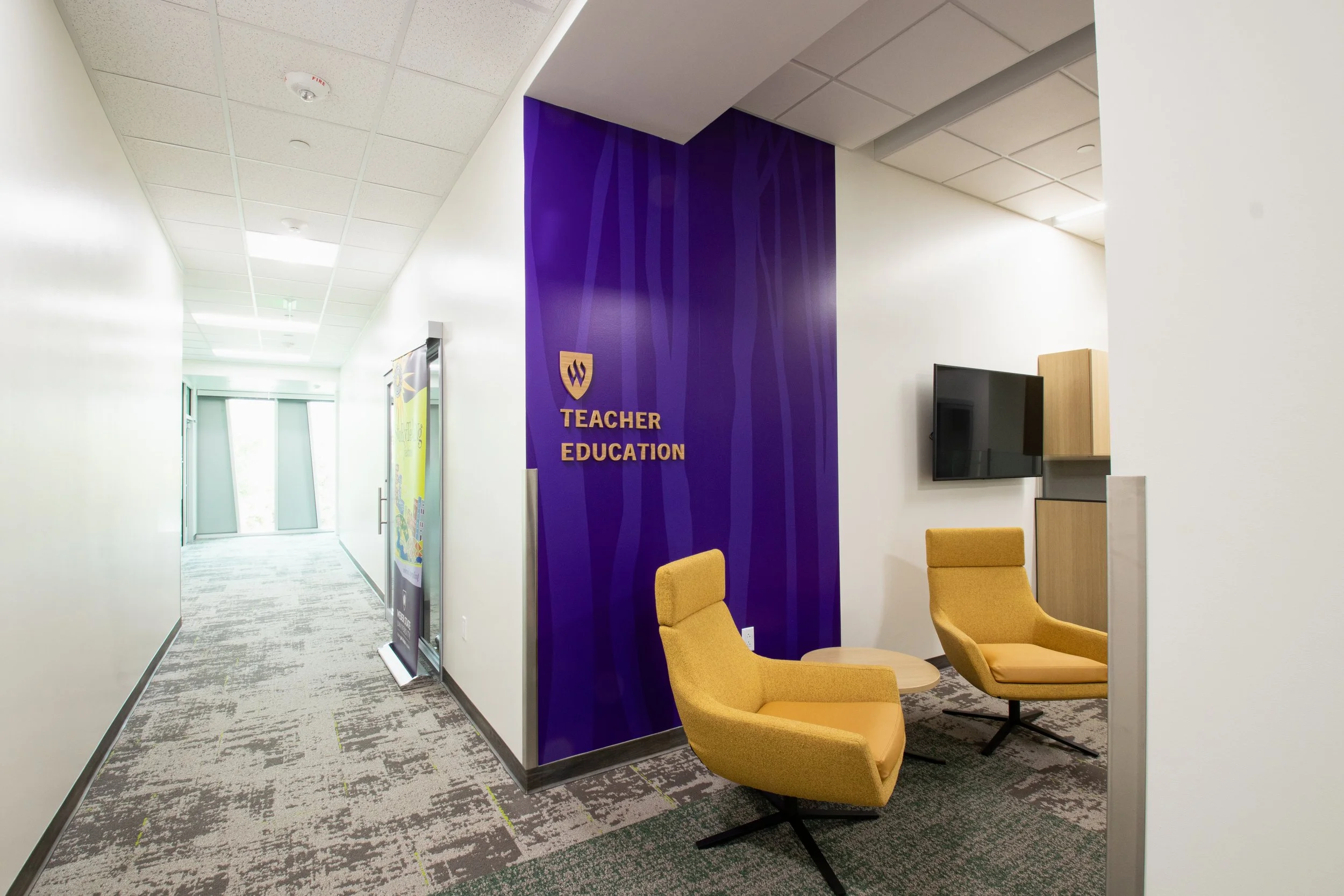
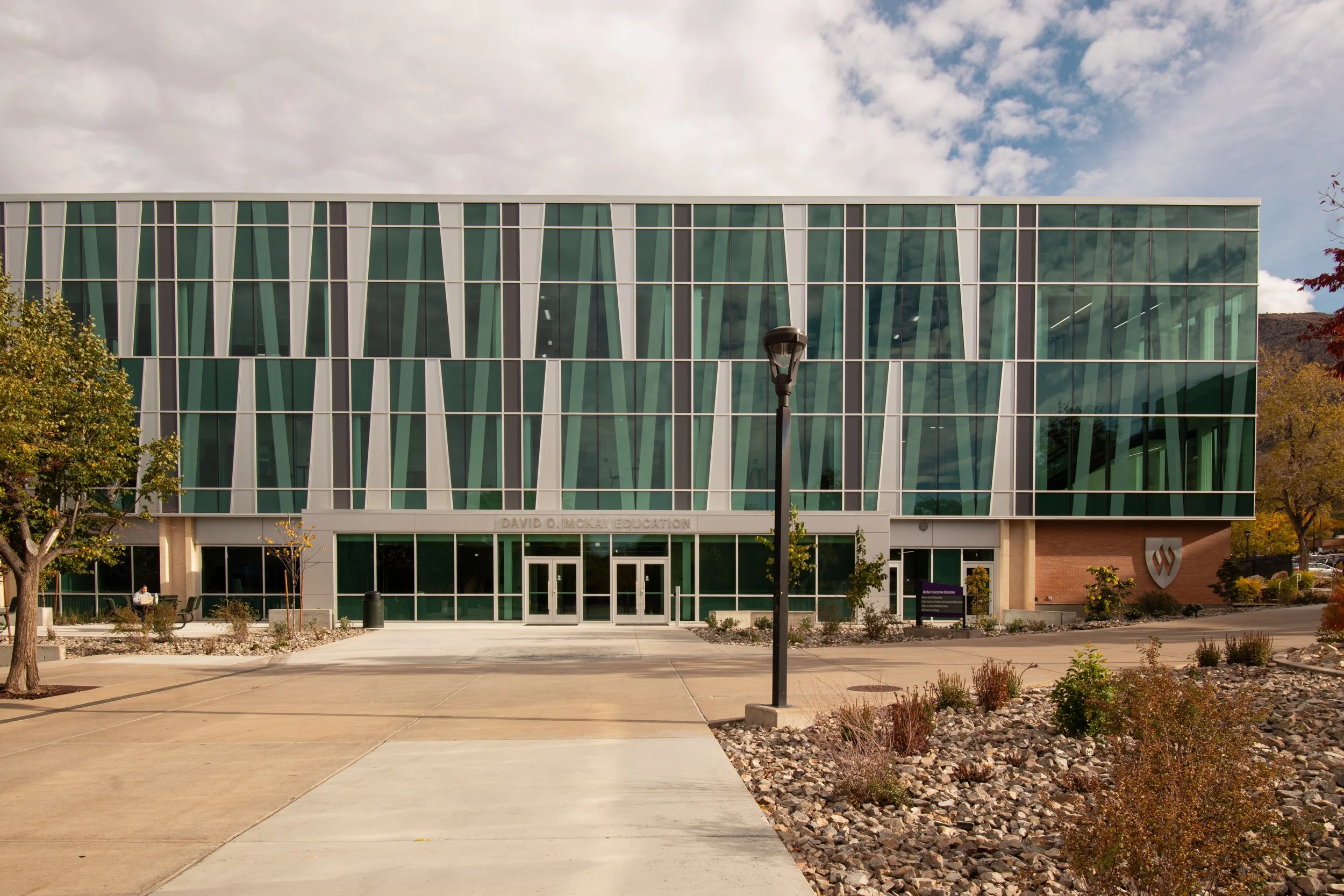
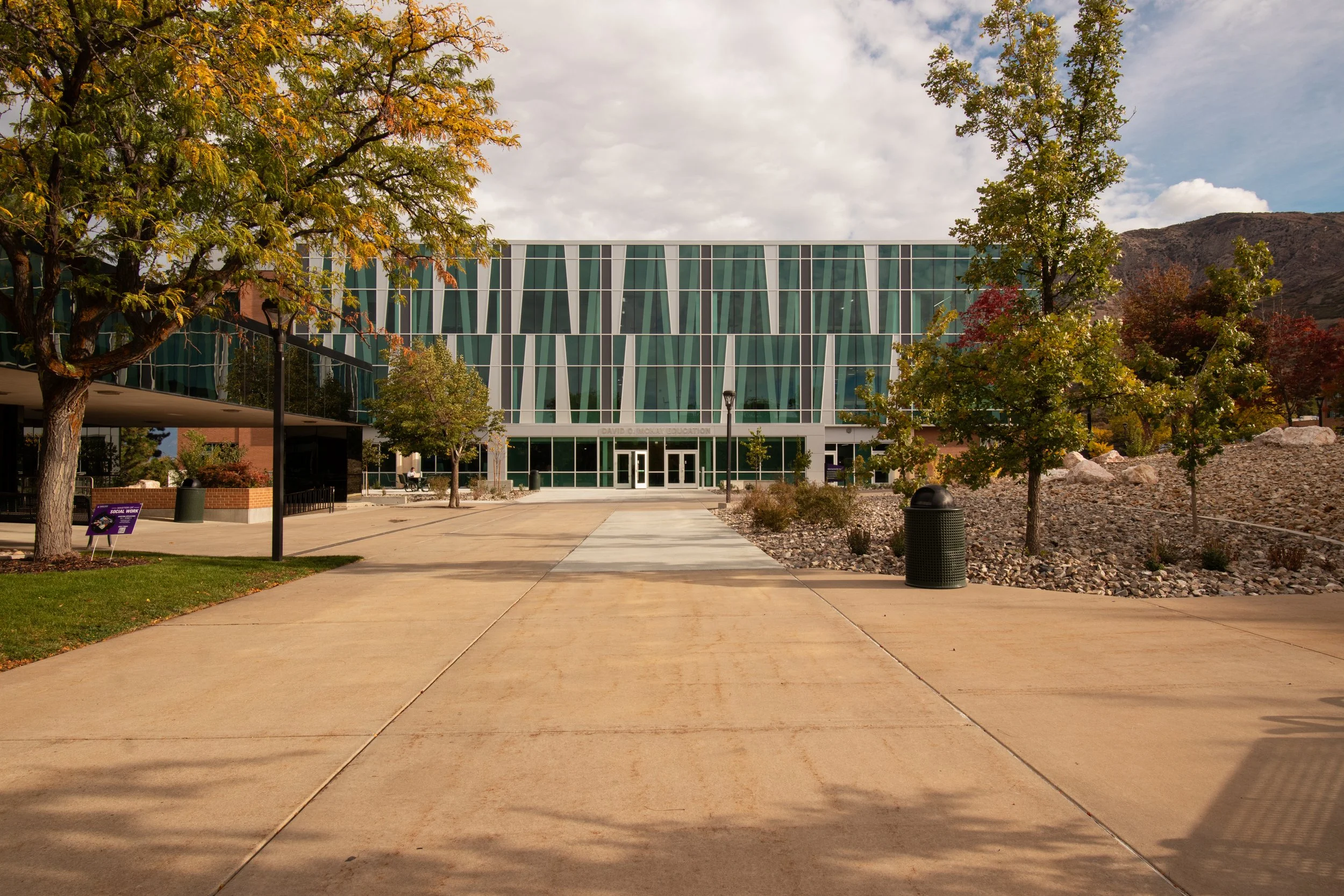
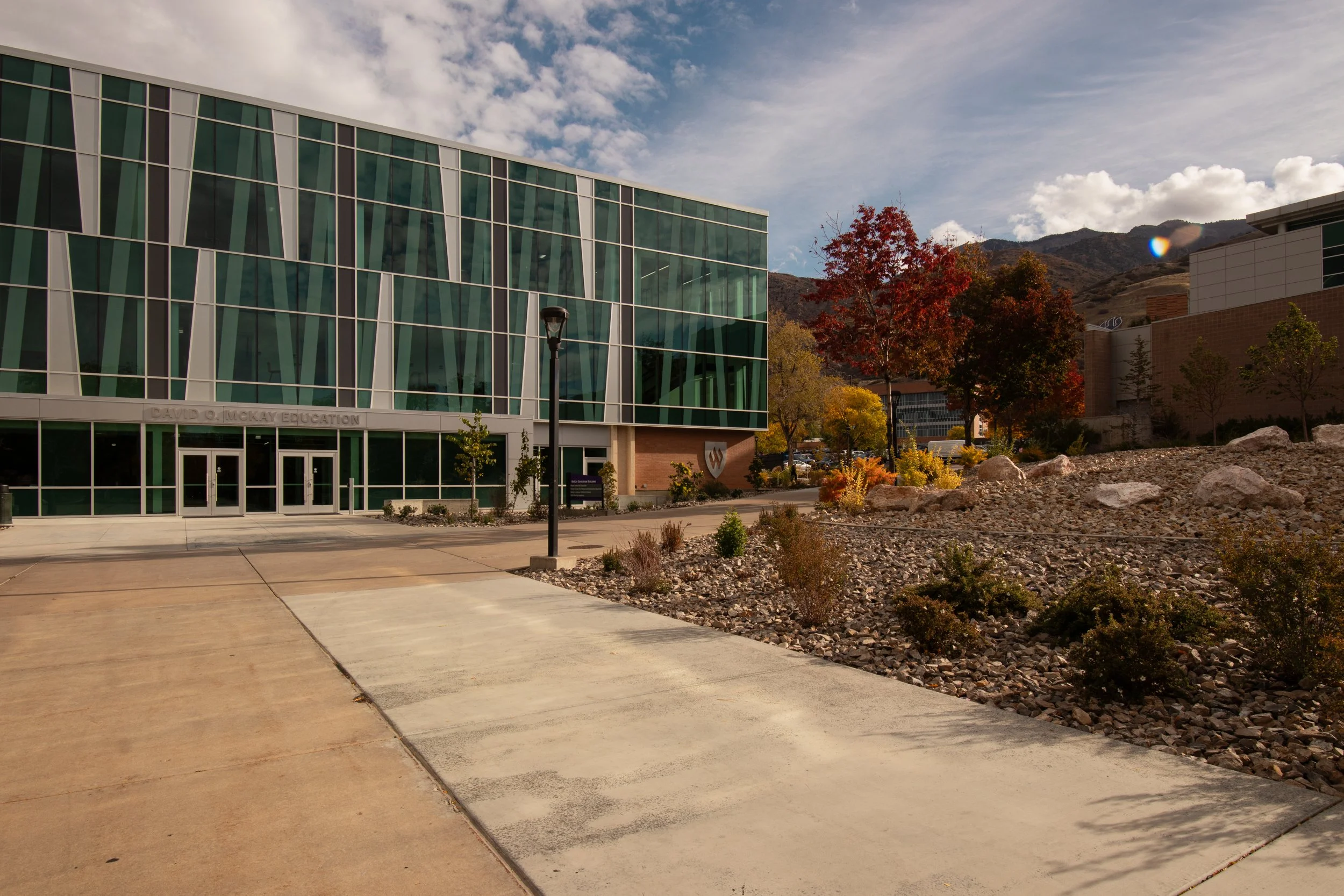
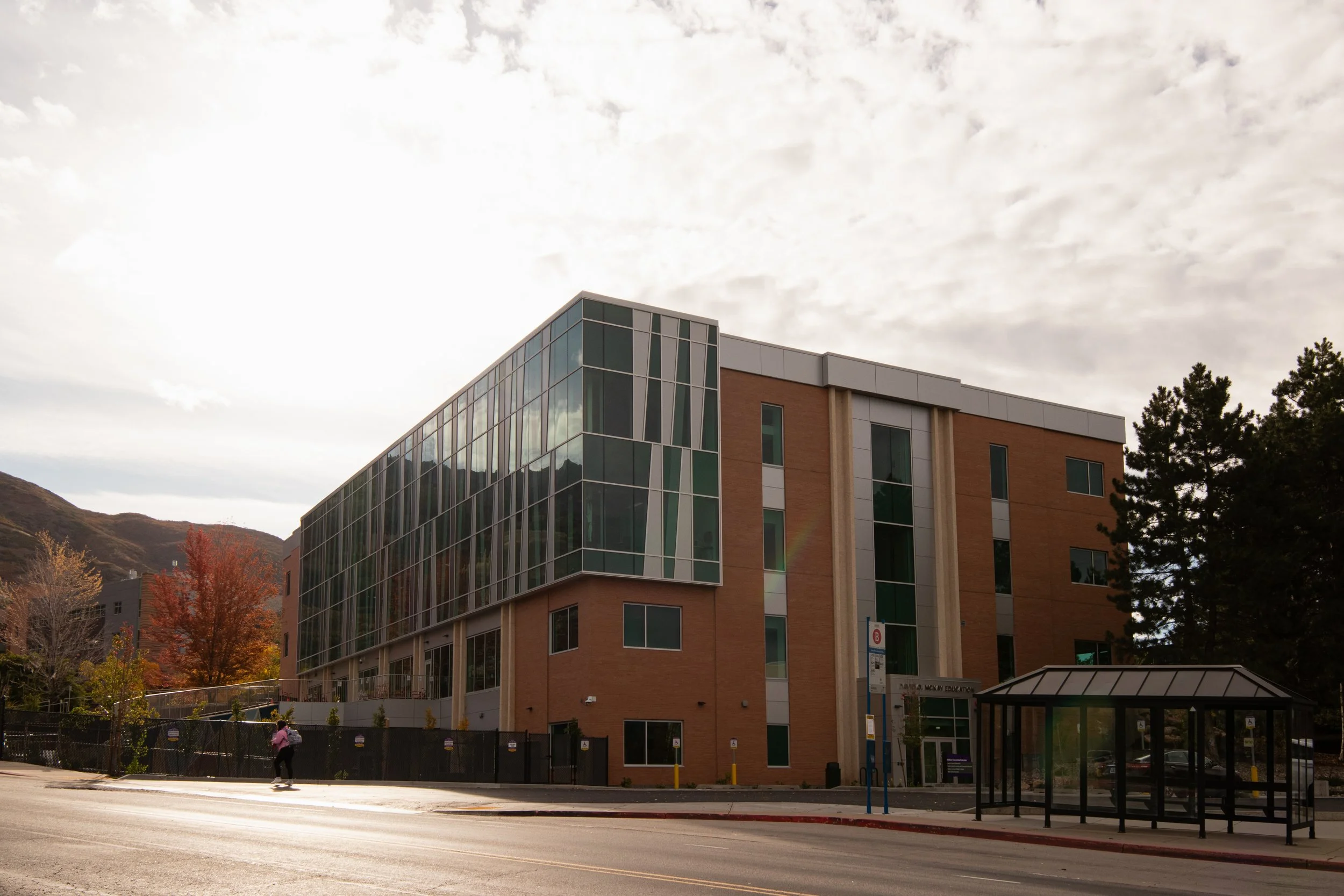
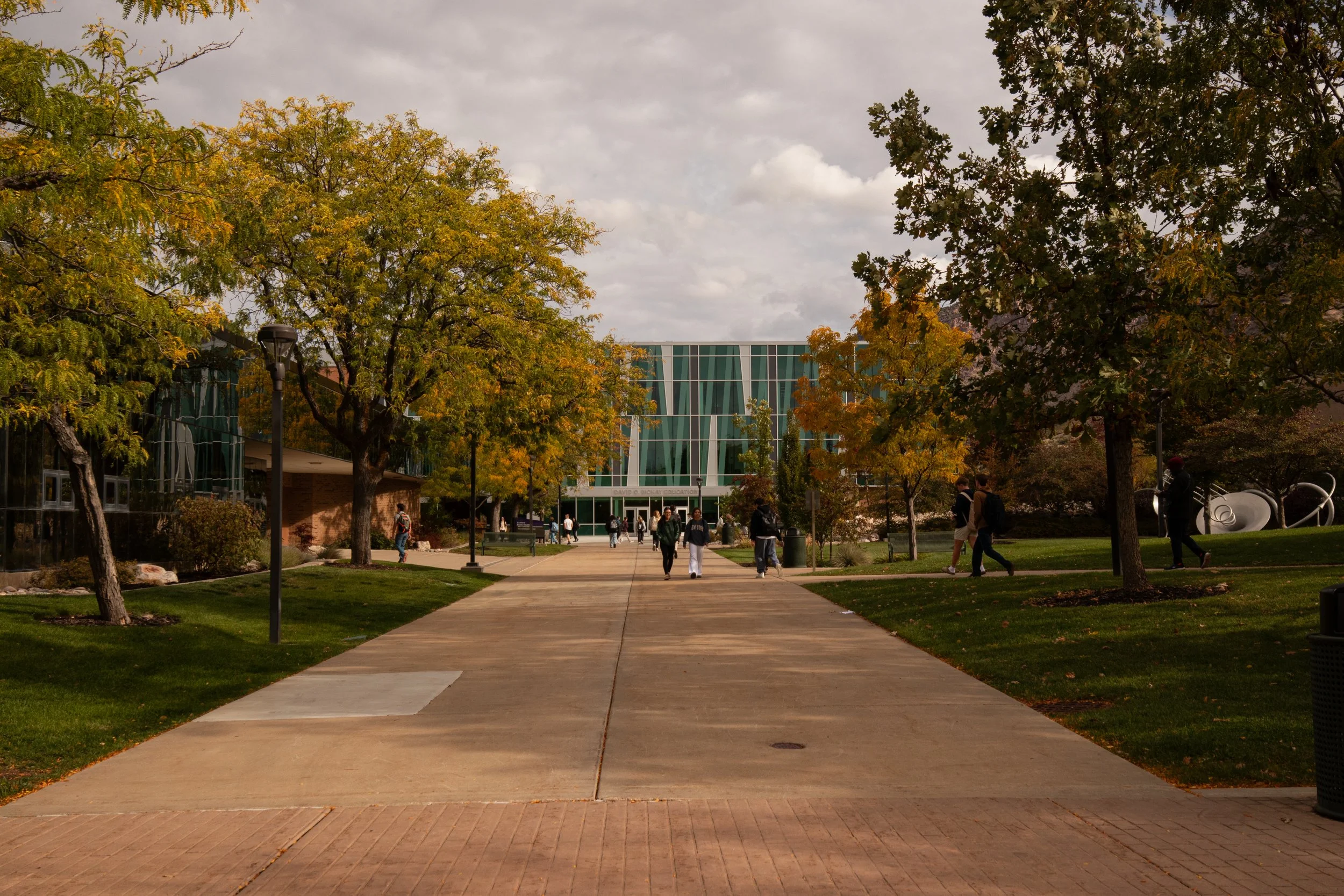
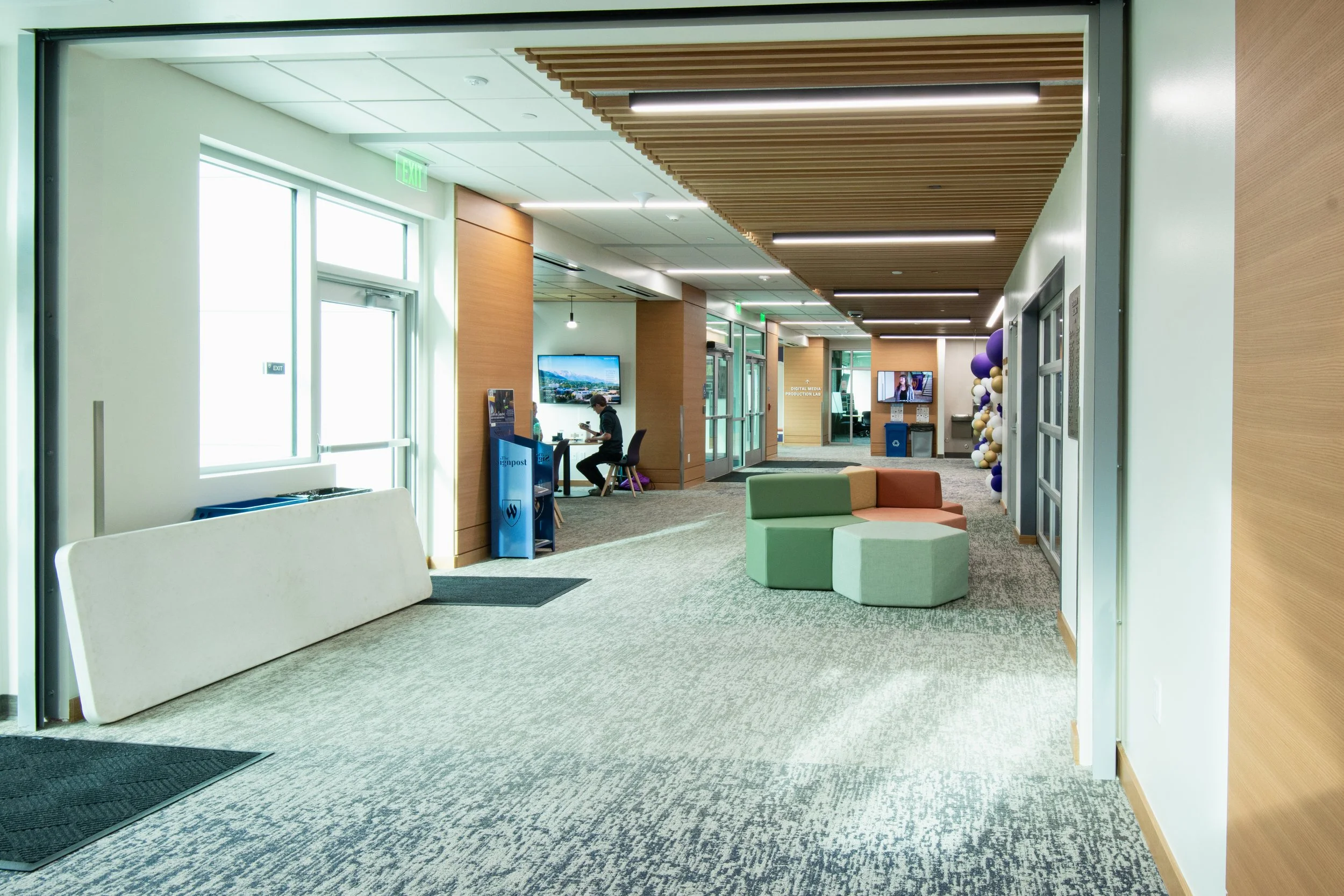
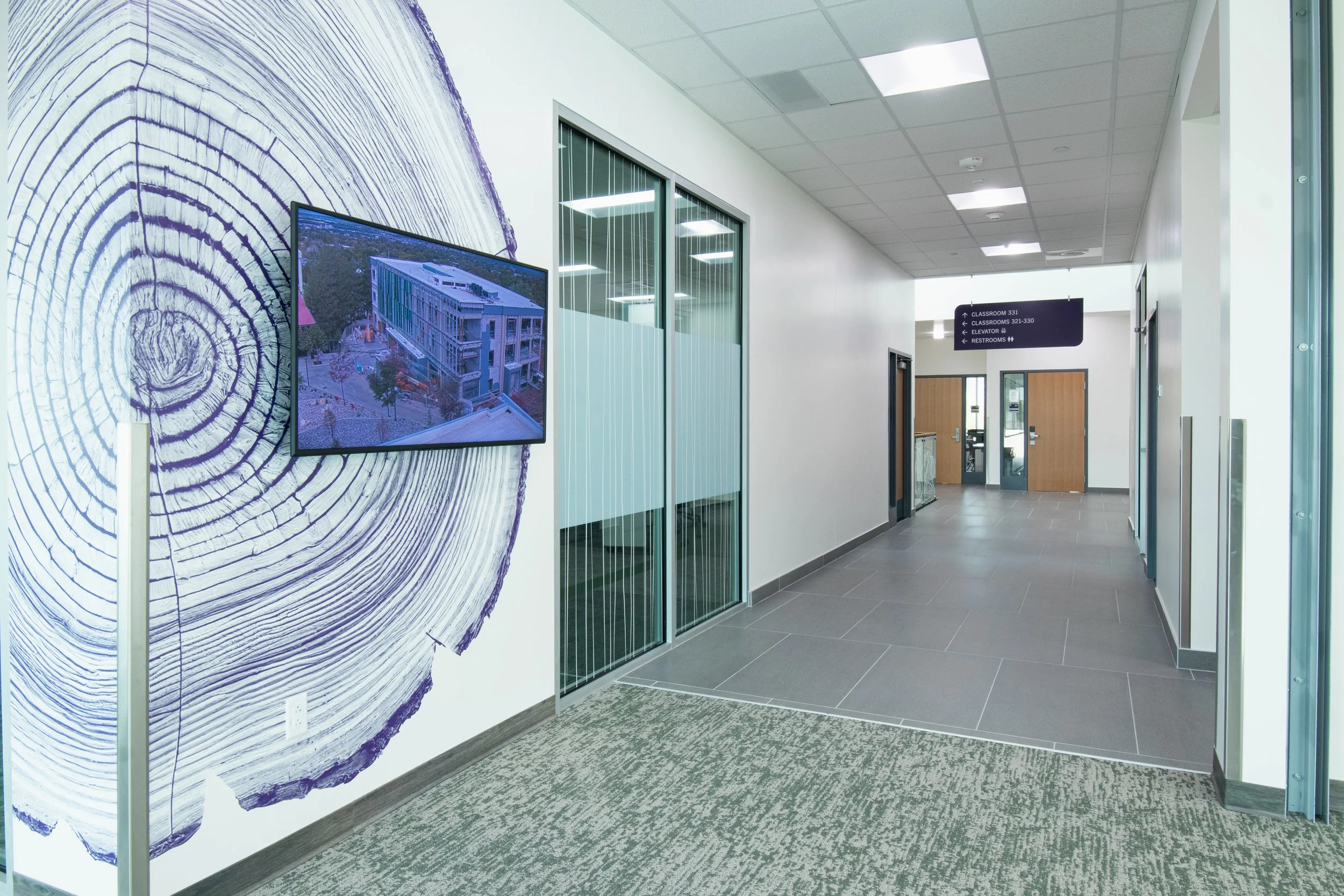
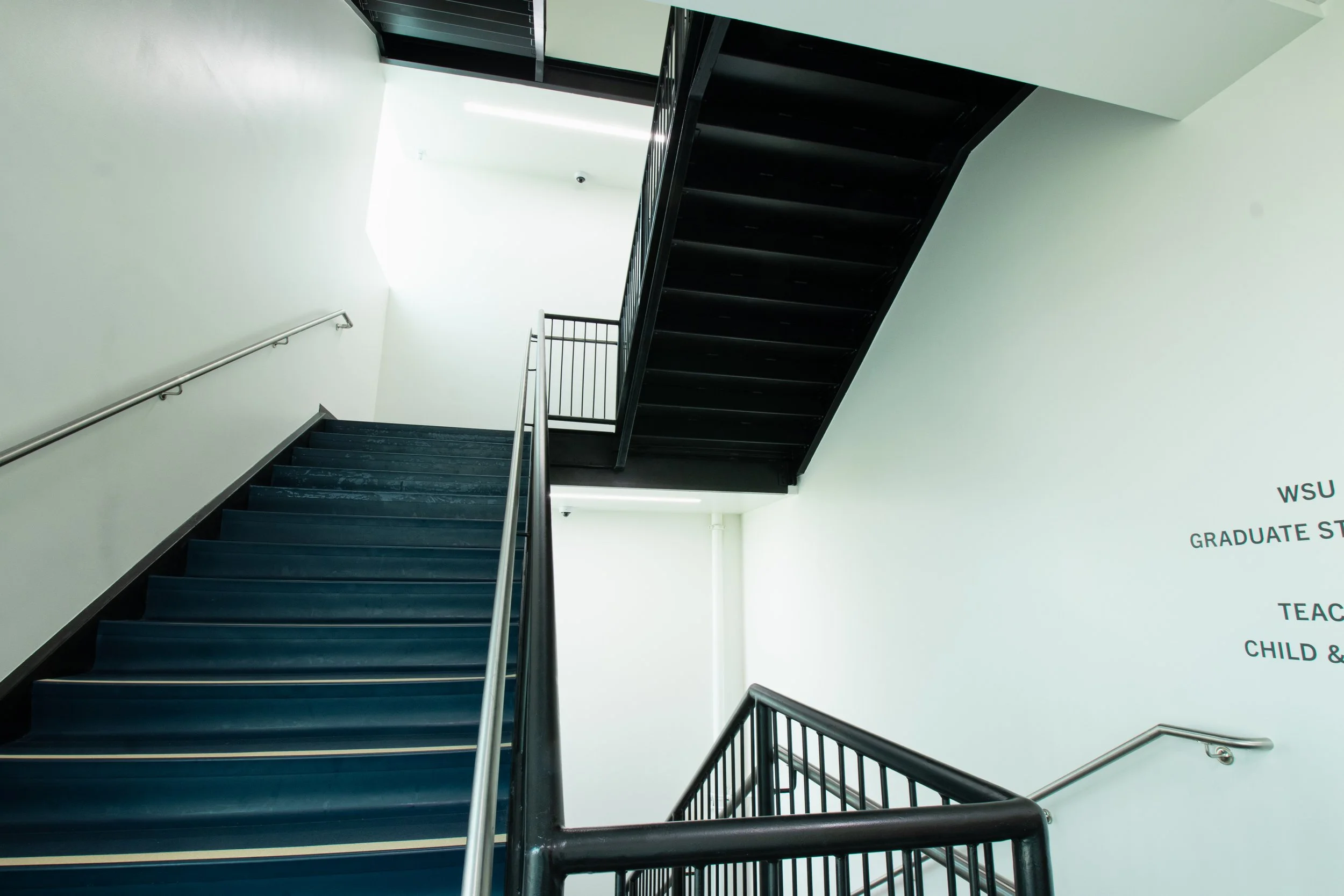
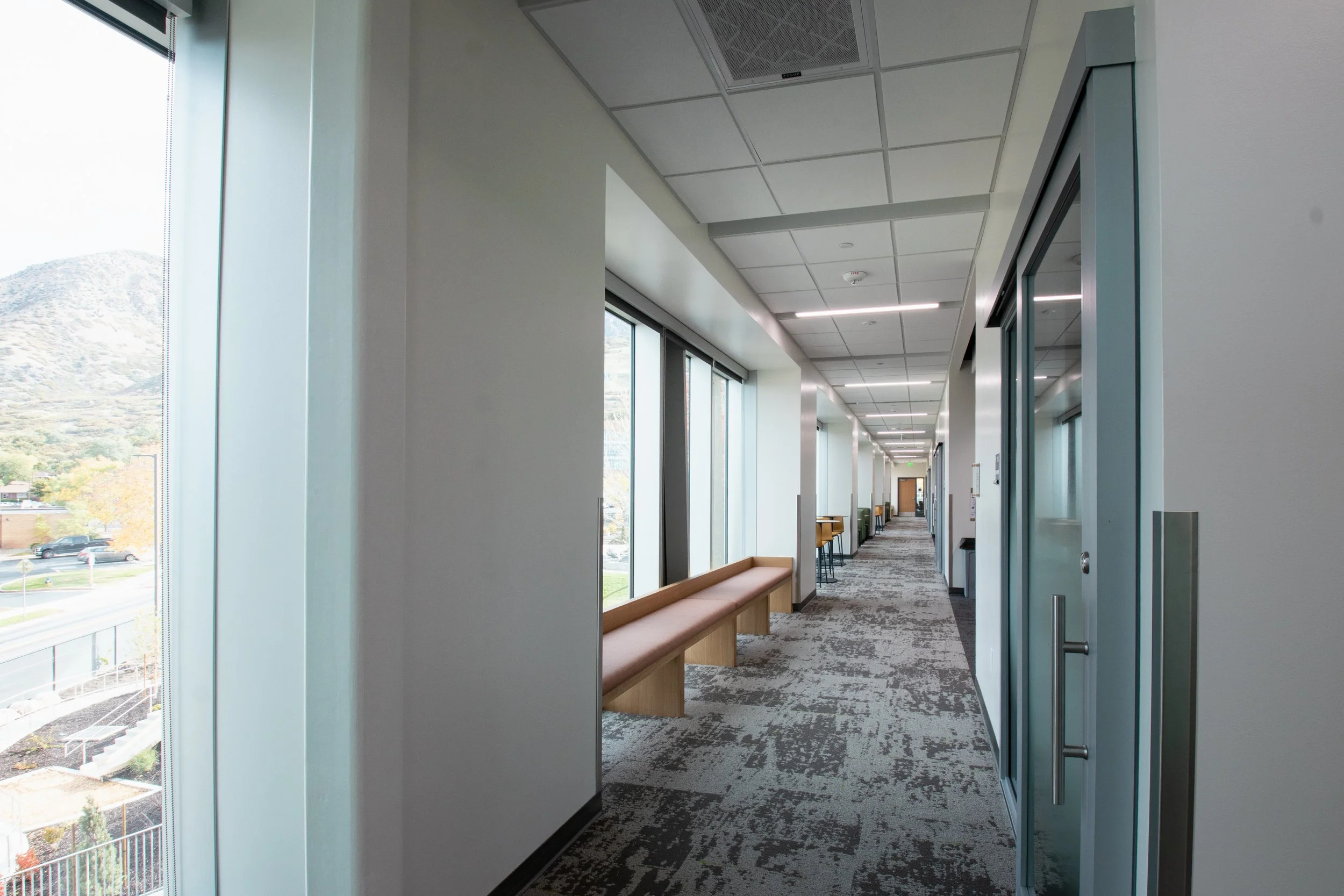
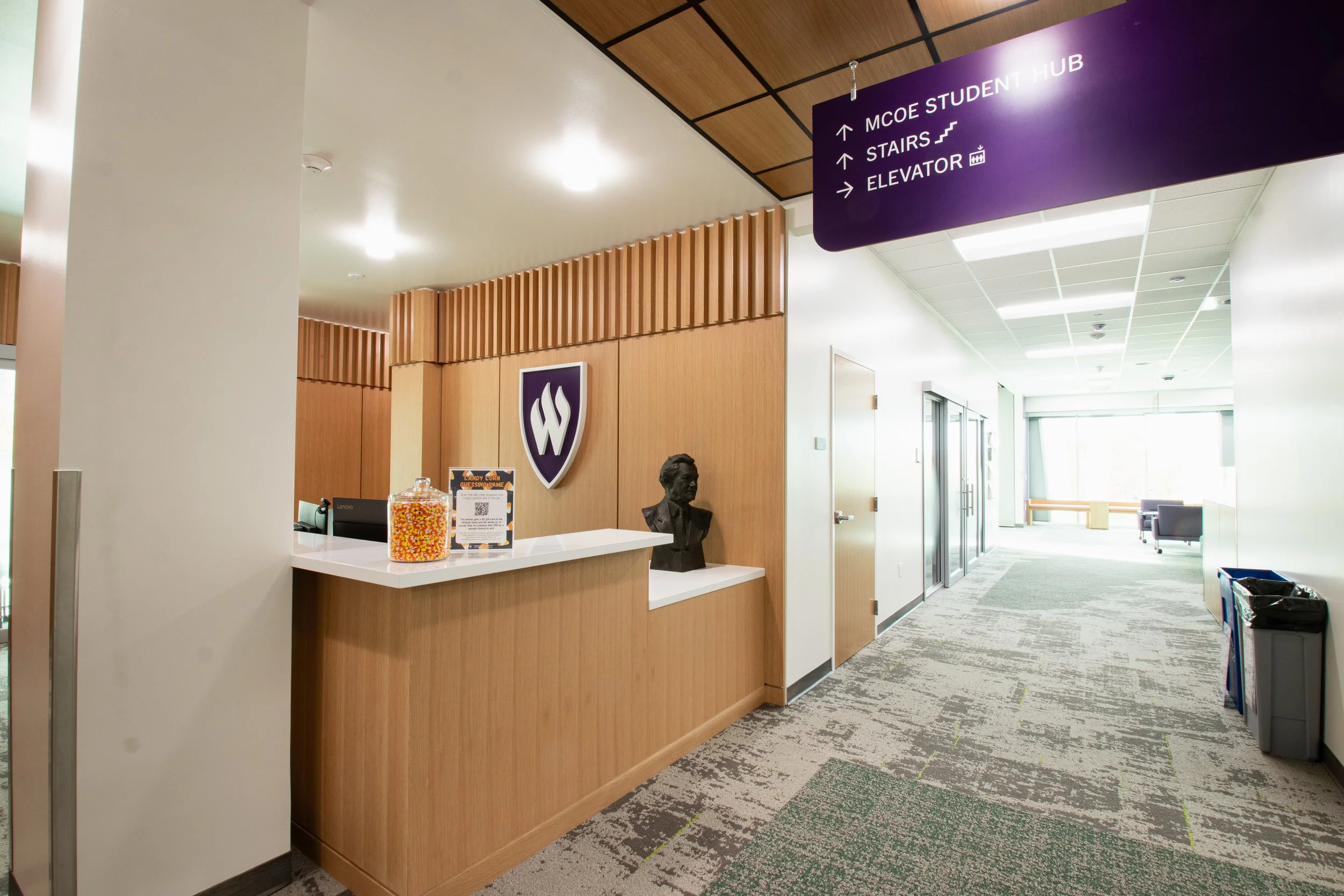
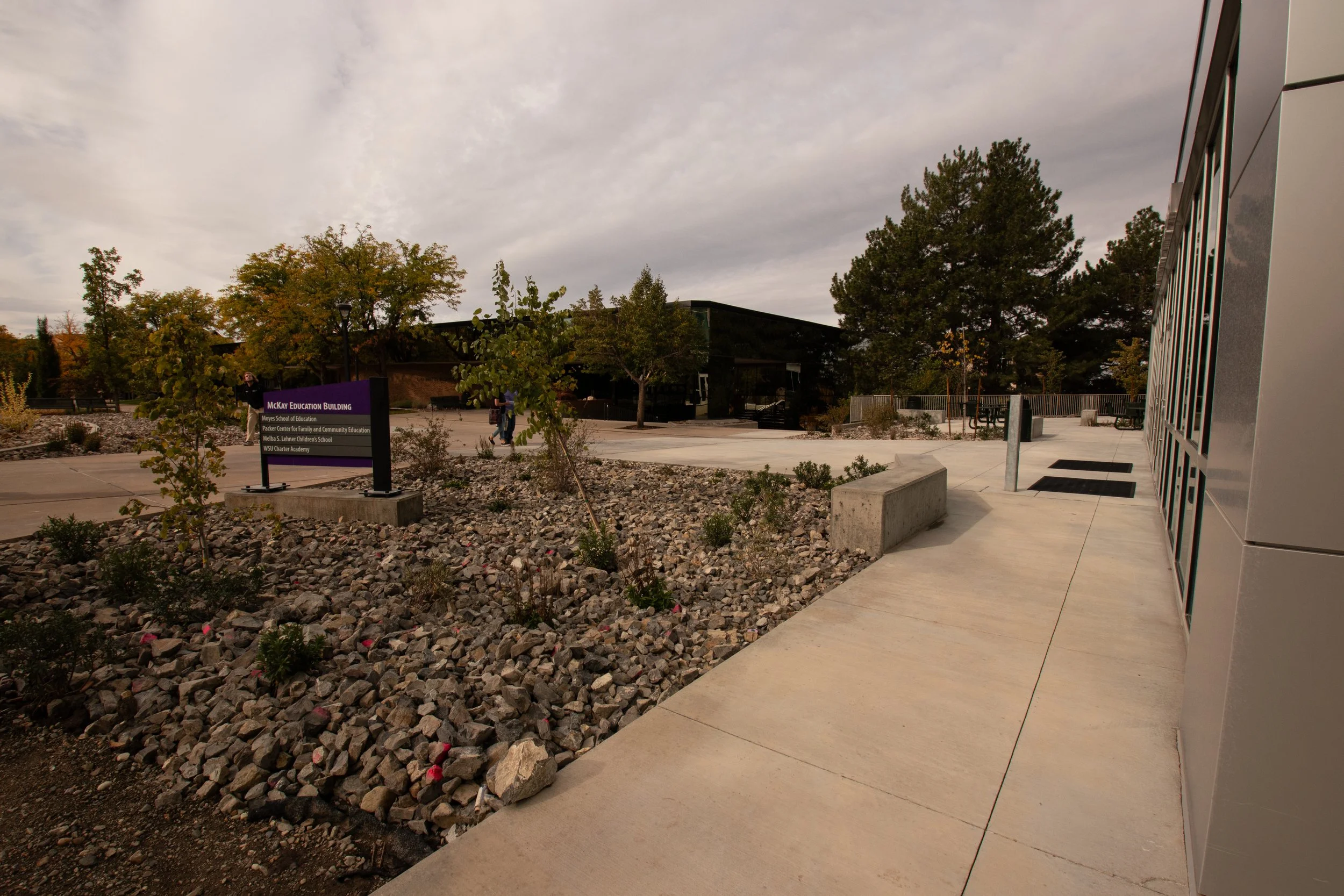
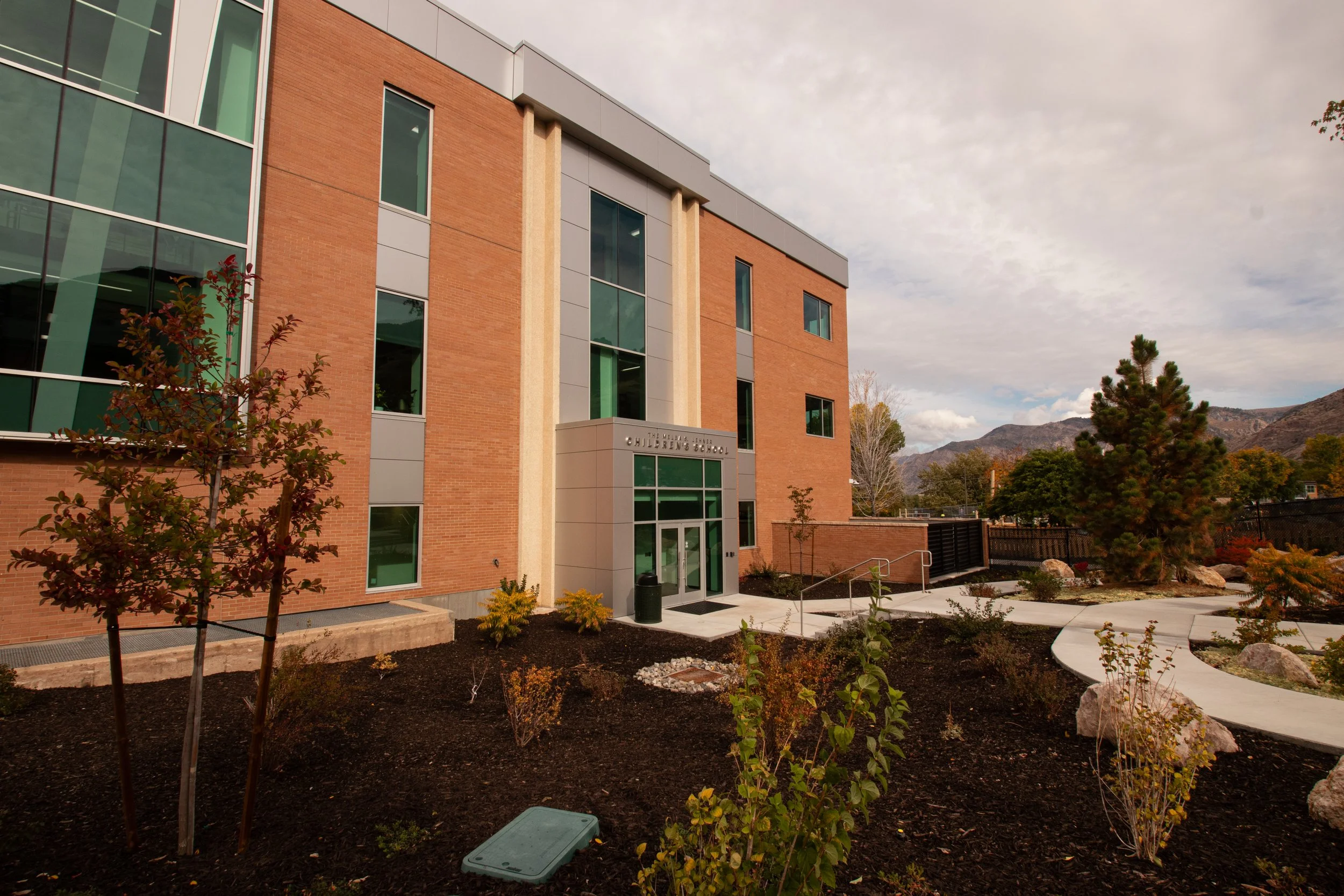
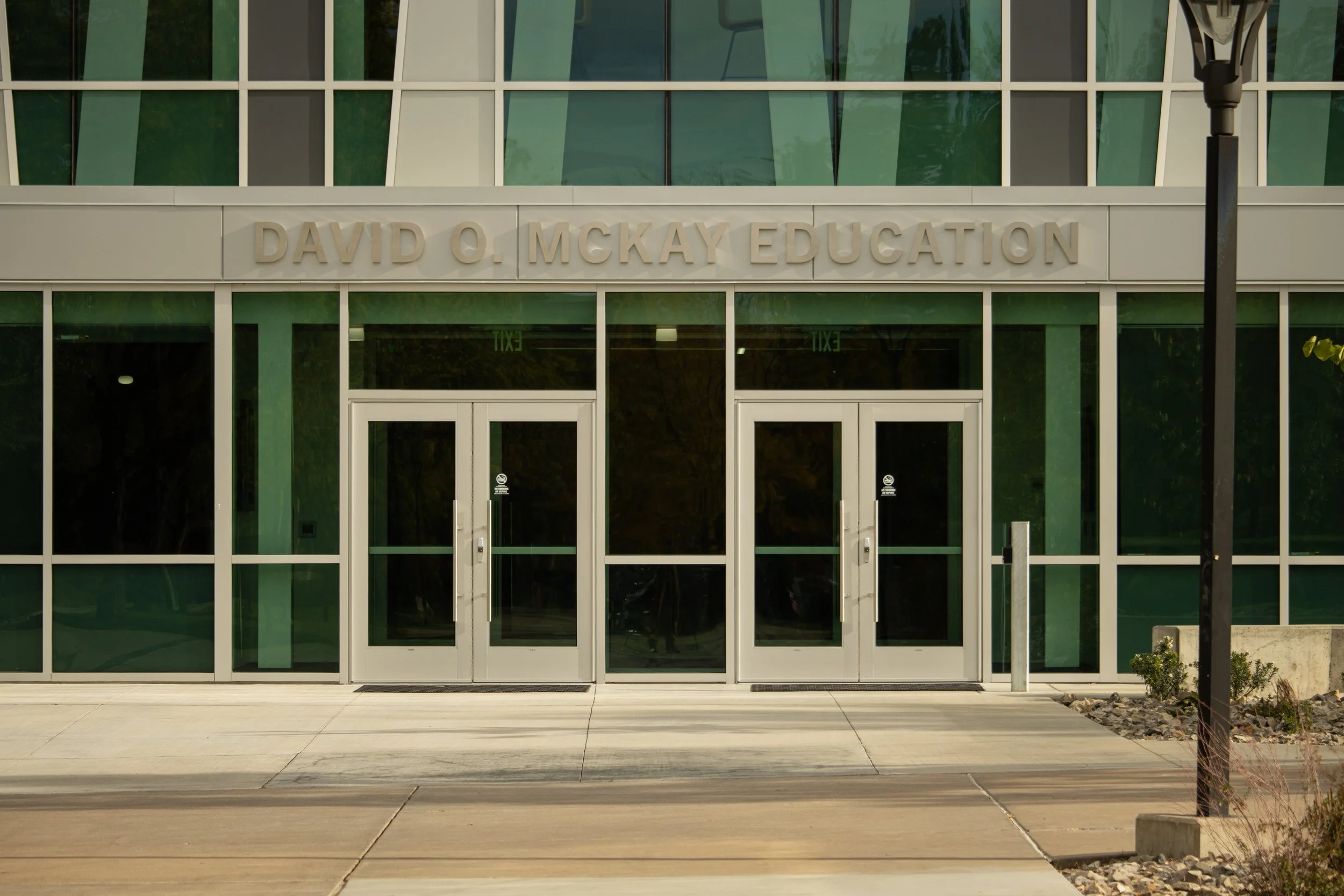
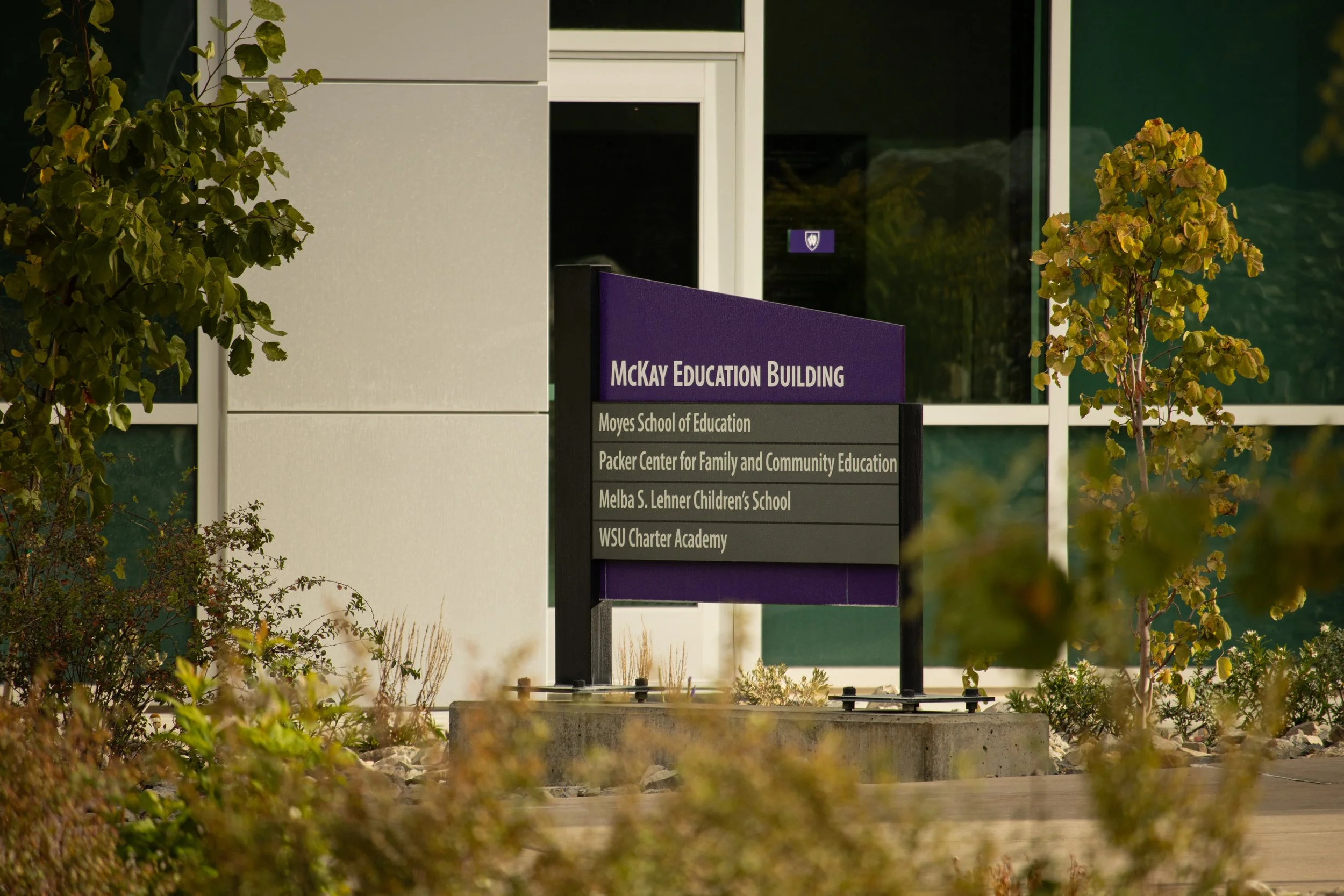
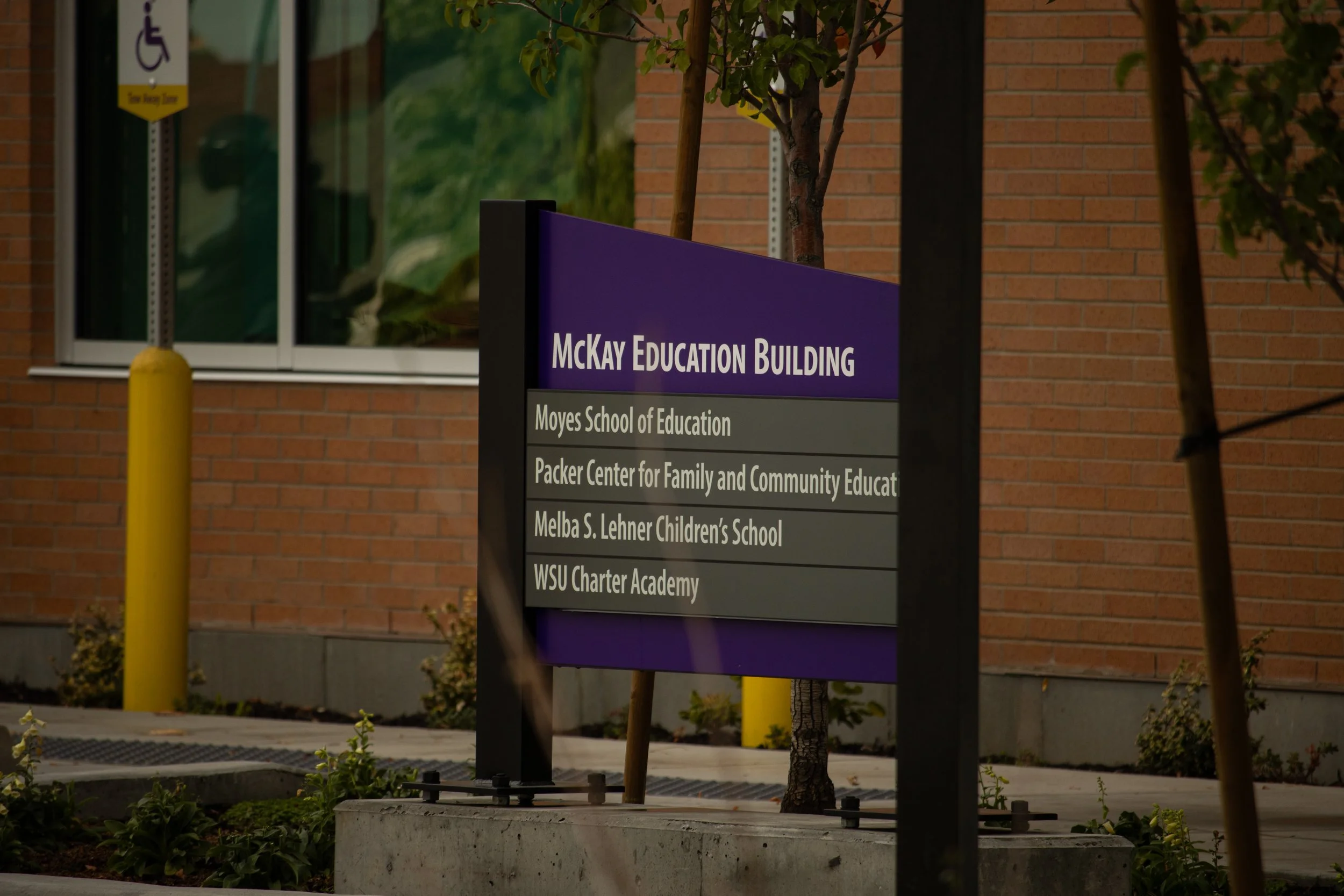
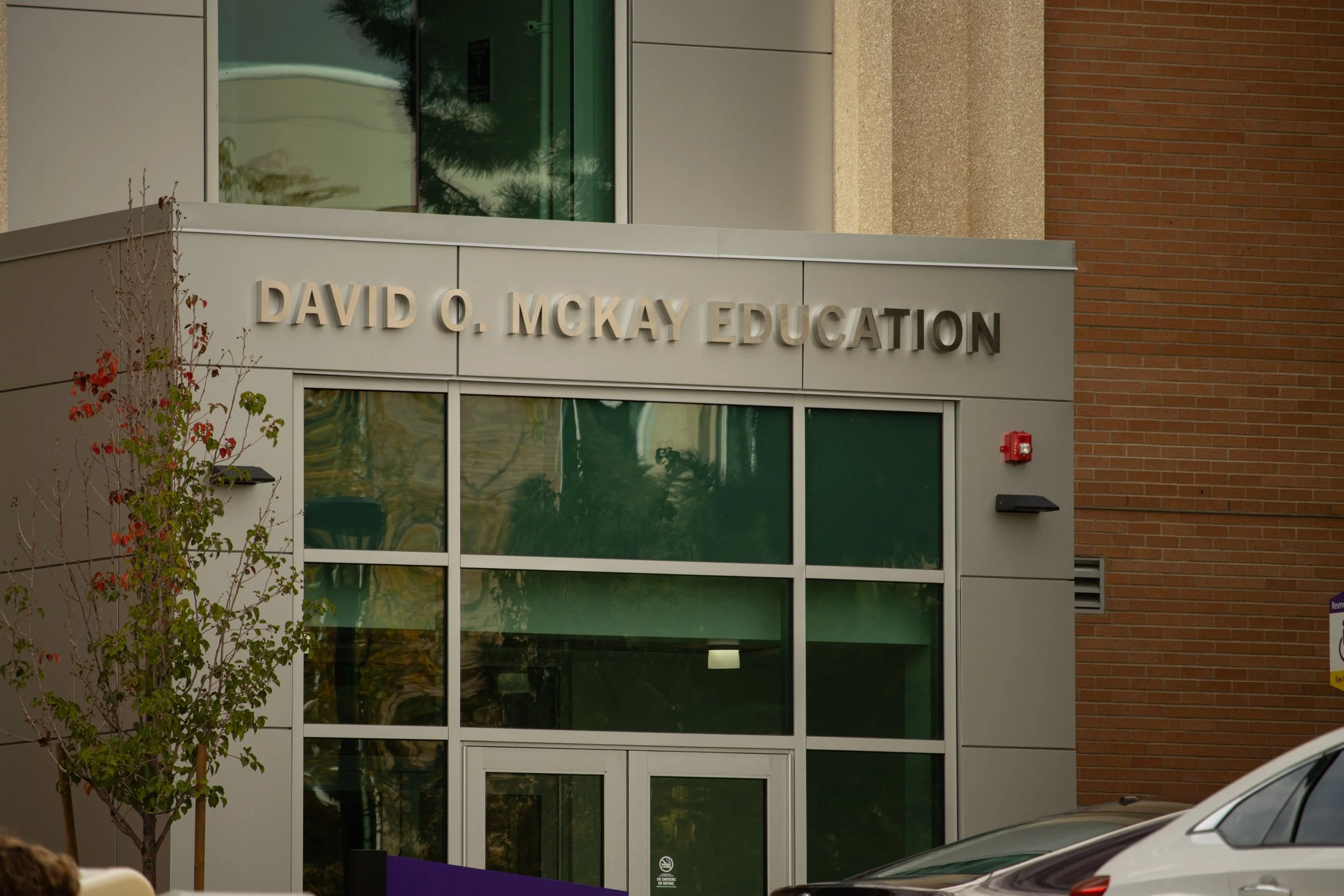
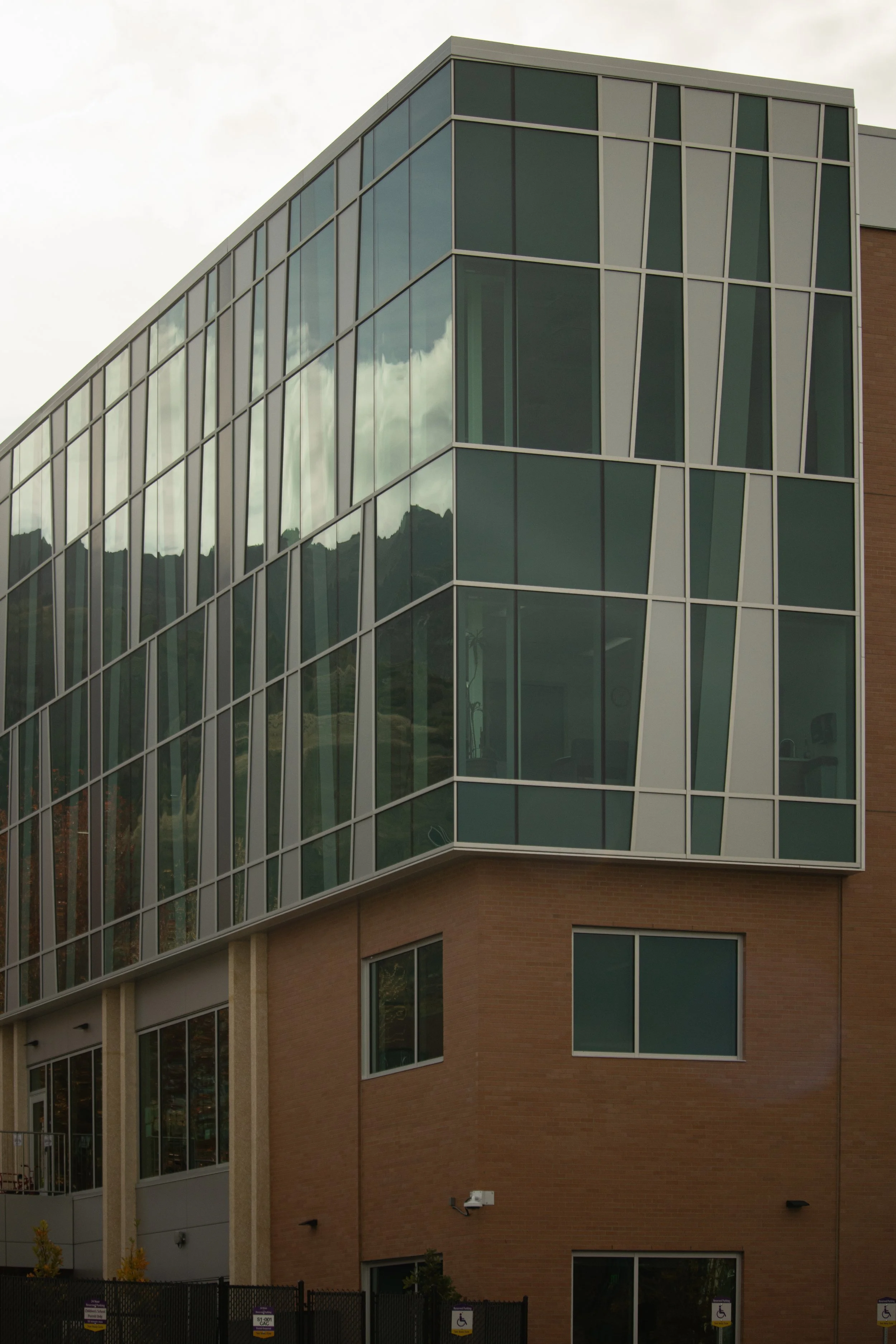
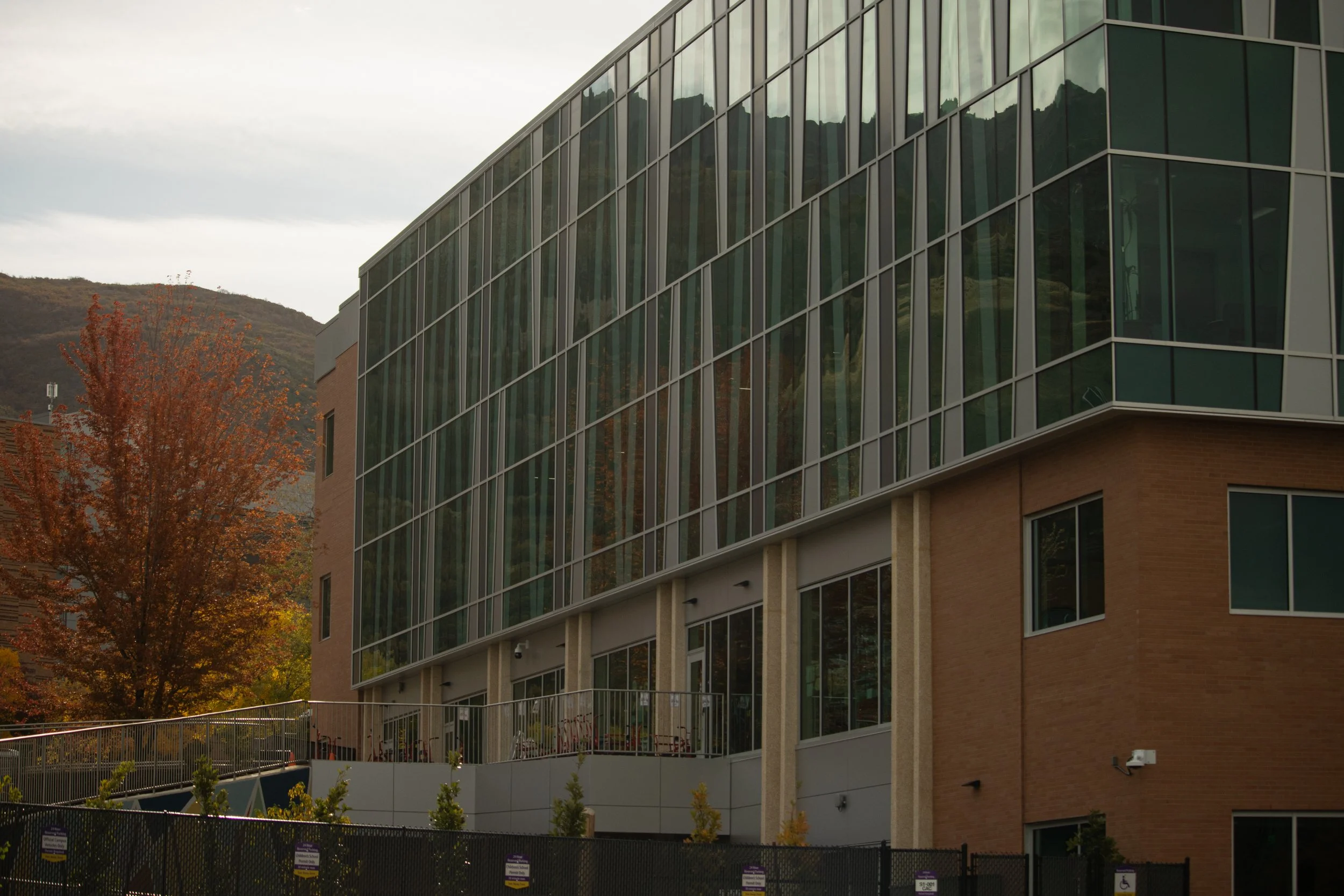
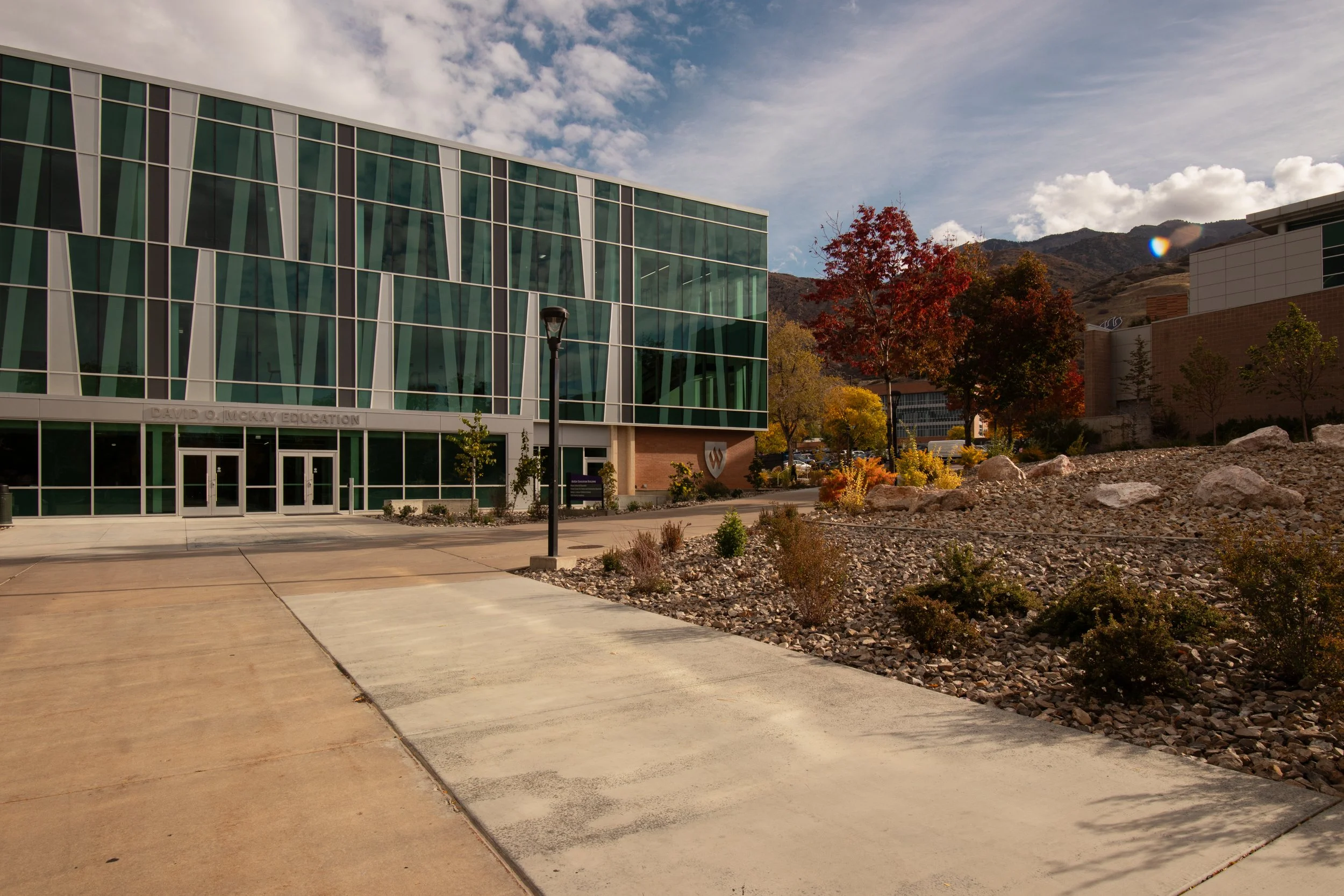
The McKay Education Building at Weber State University, originally constructed in 1972, served as a cornerstone for education for more than fifty years. Covering over 70,062 square feet, the reinforced concrete structure was substantial for its era, but over time it fell short of modern seismic, structural, and functional standards. The decision was made to forgo complete demolition in favor of an adaptive reuse strategy that maintained the original structural skeleton. A full seismic and systems retrofit was executed to meet current performance standards, while integrating architectural upgrades to create a state-of-the-art educational space.
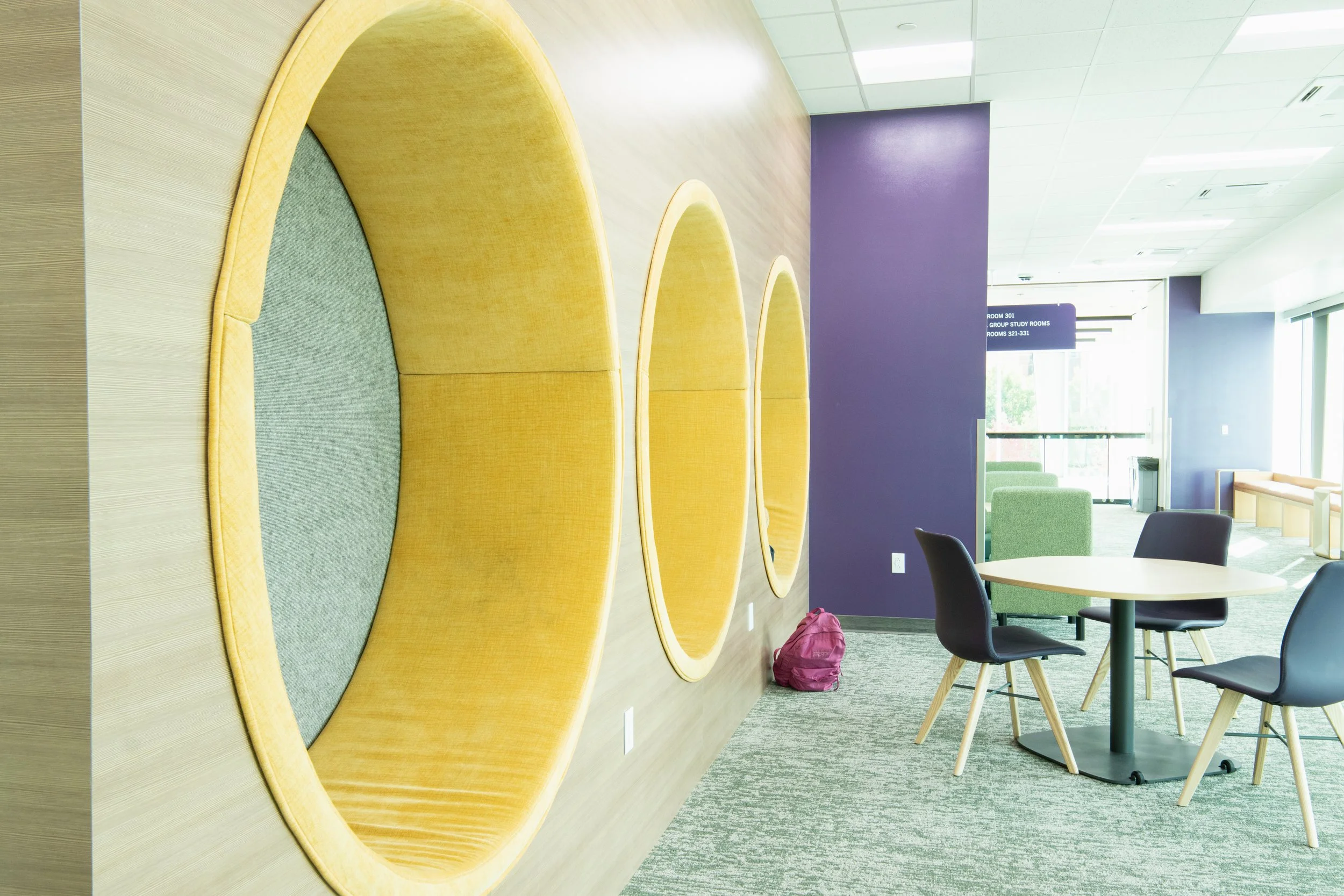
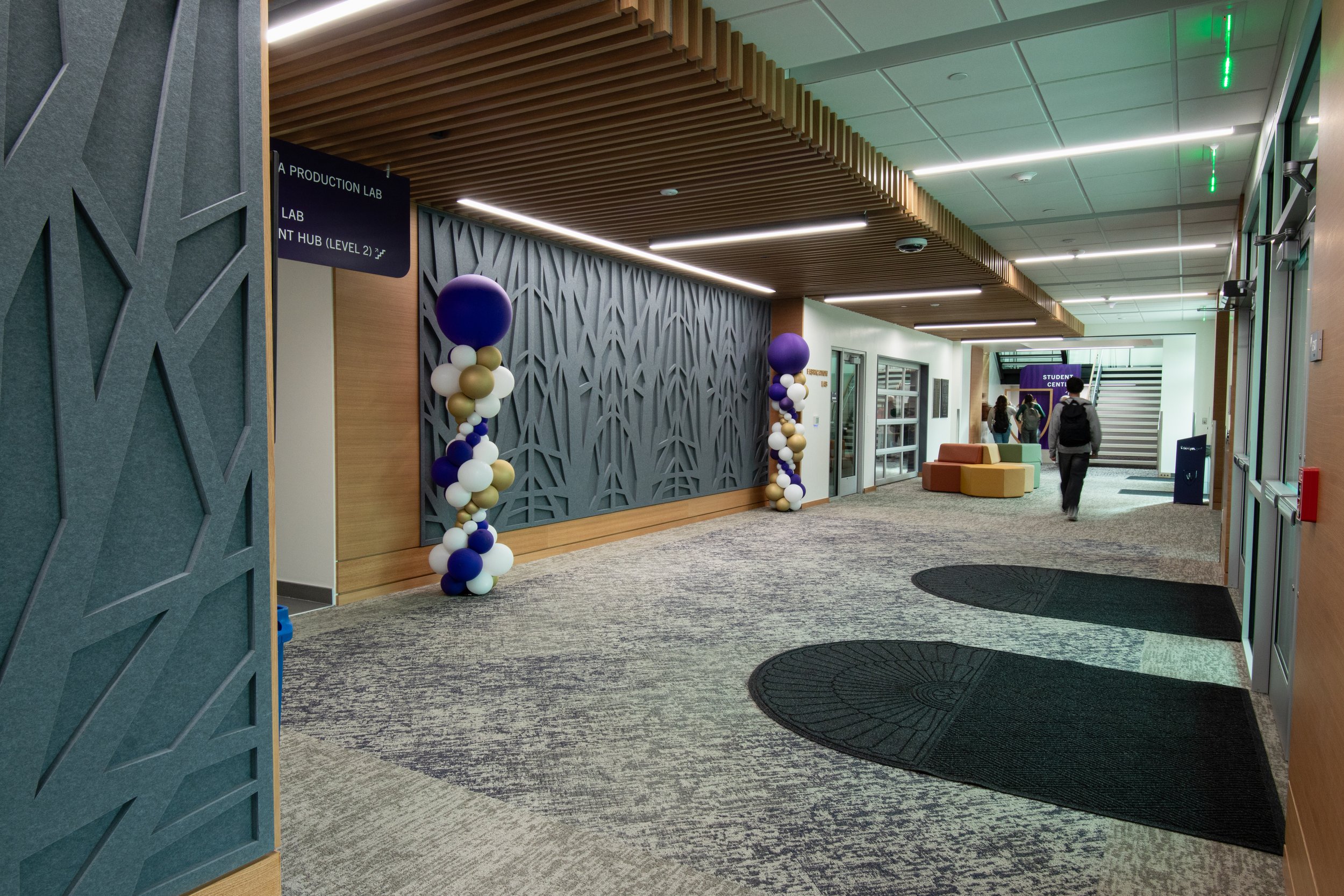
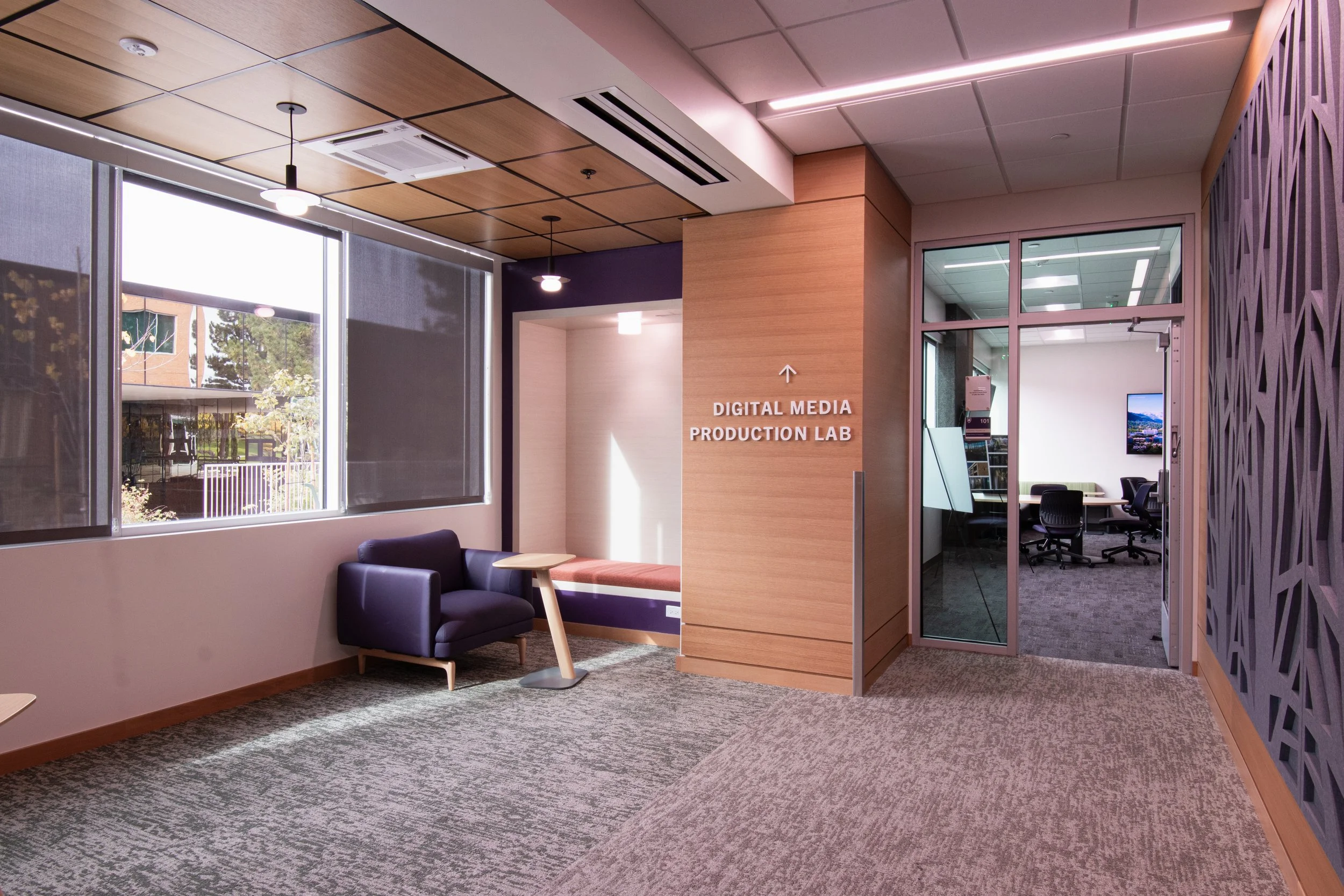
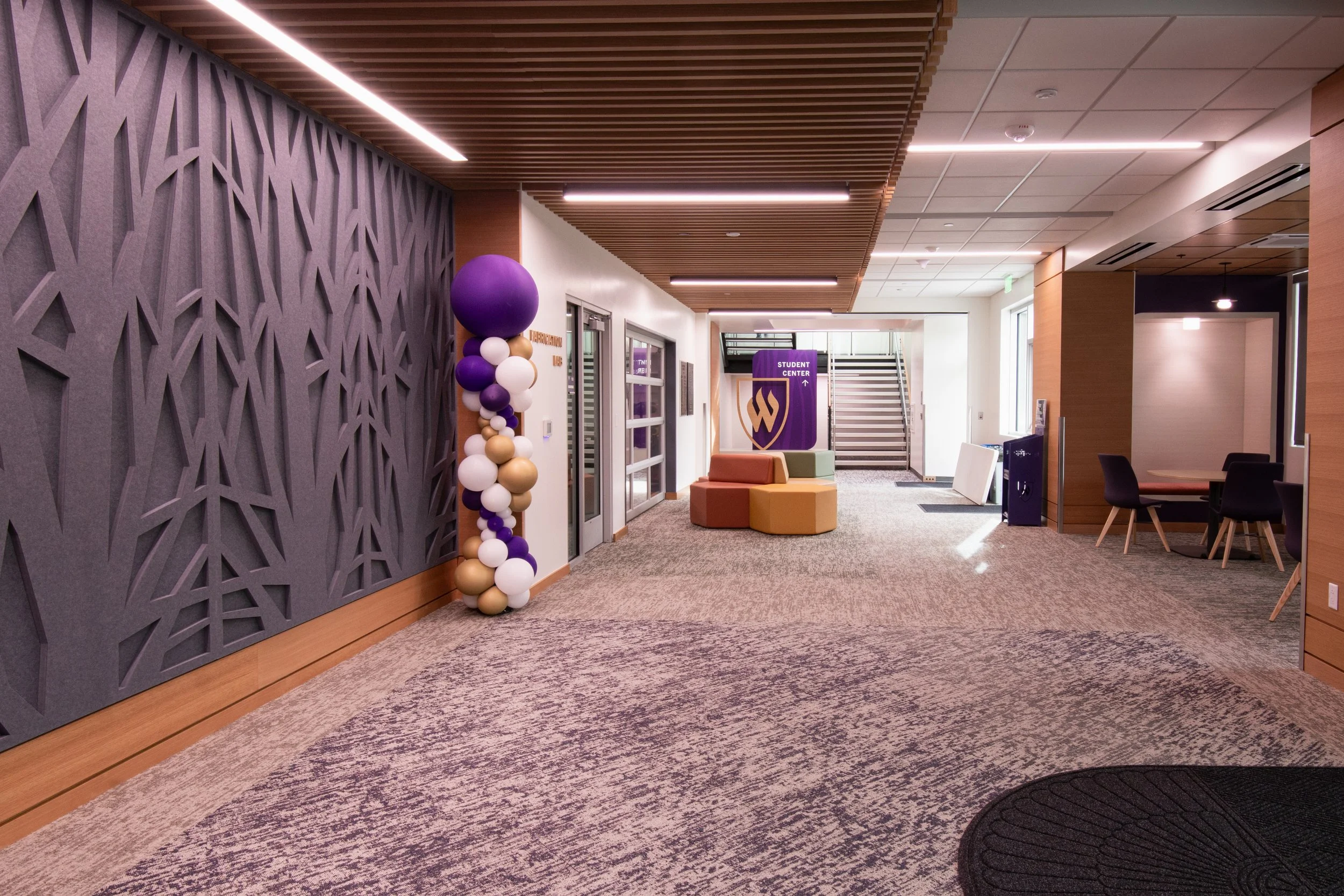
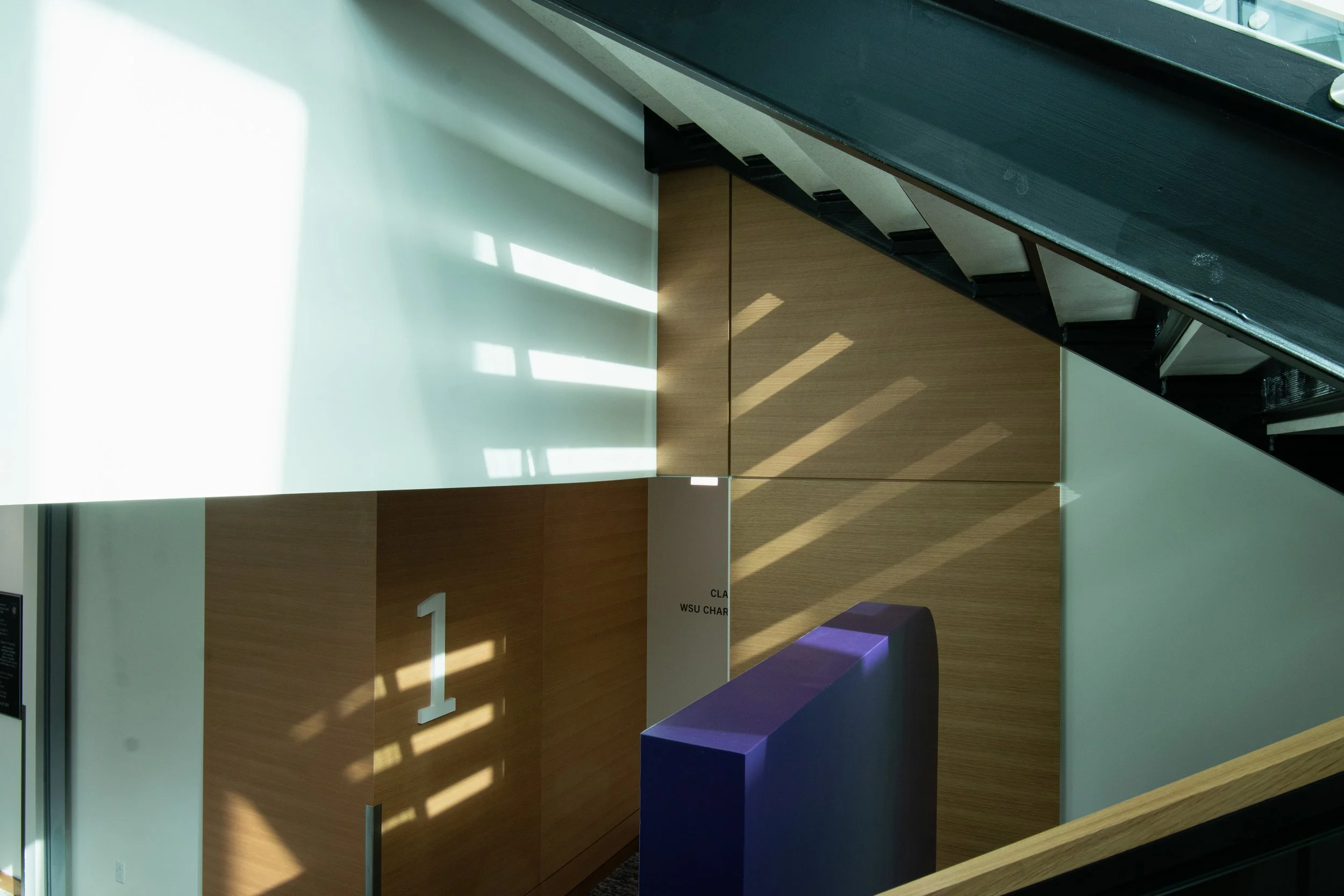
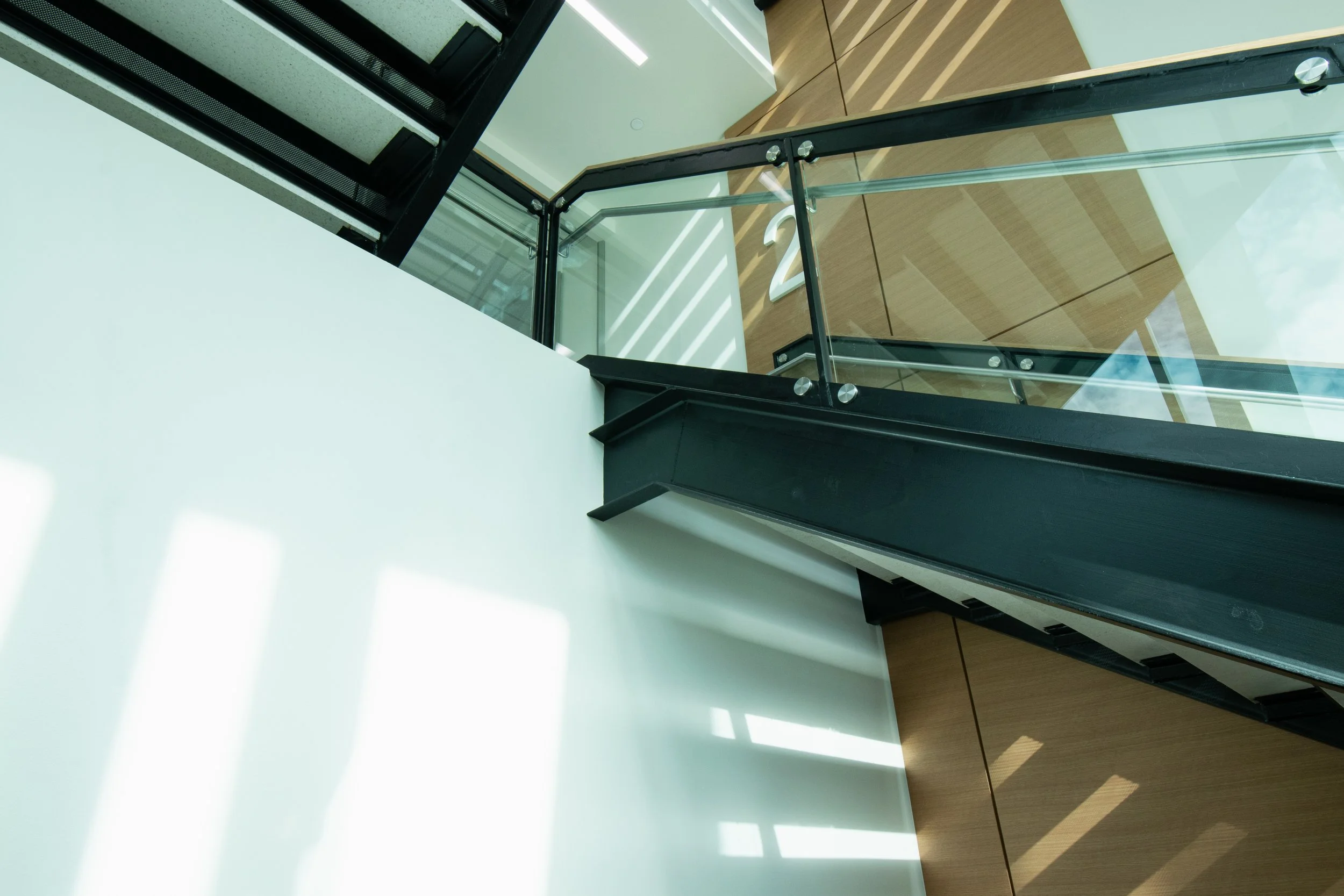
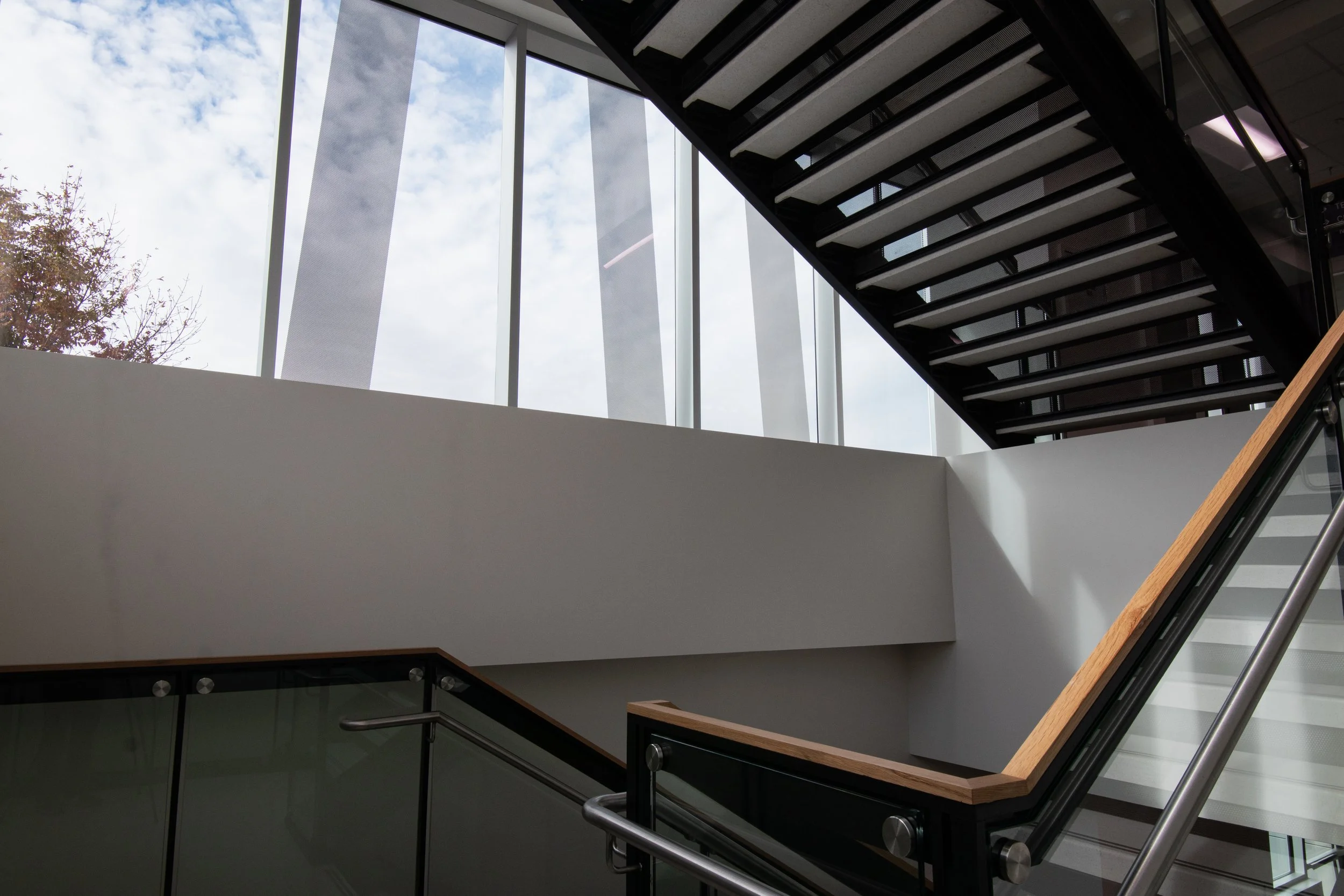
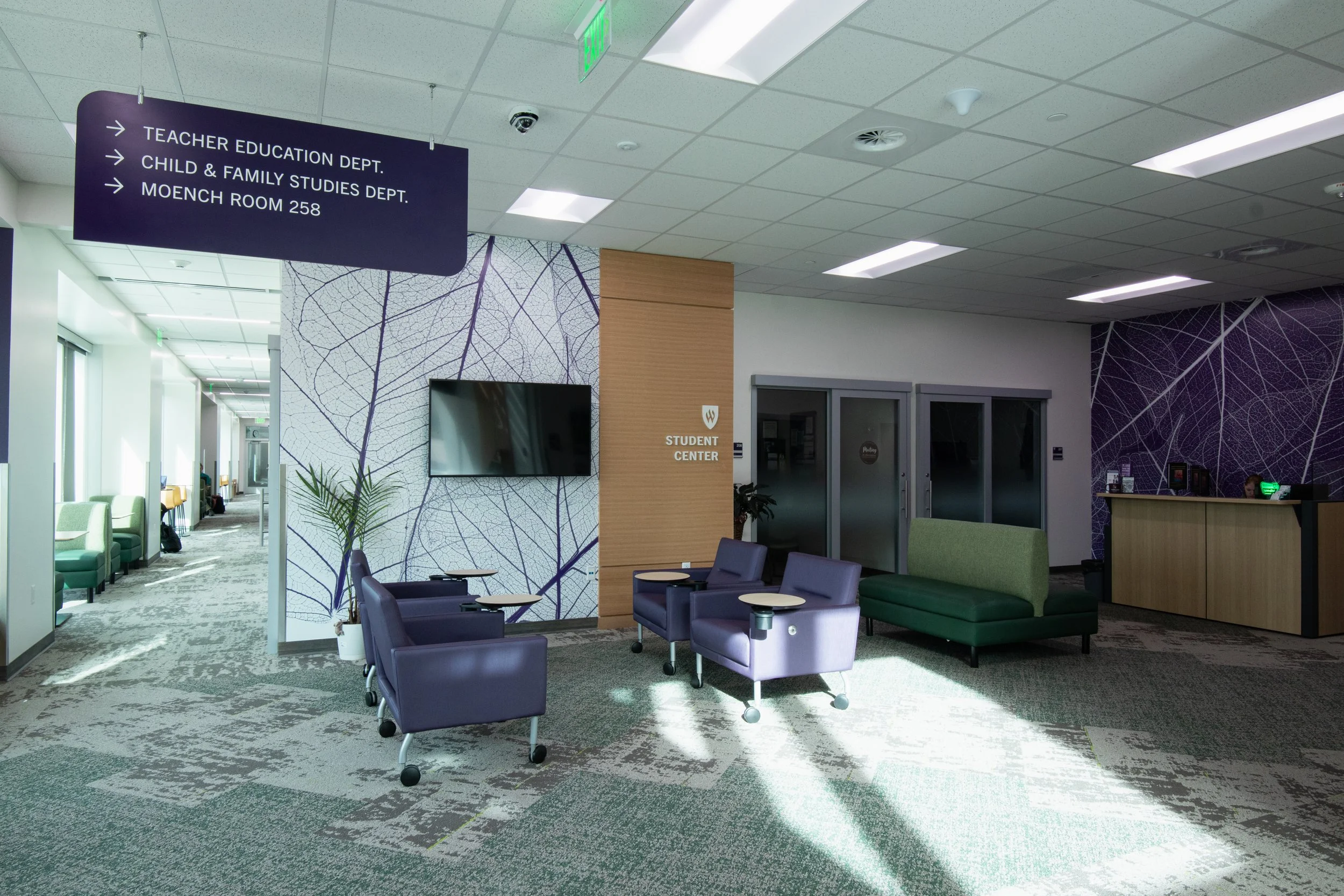
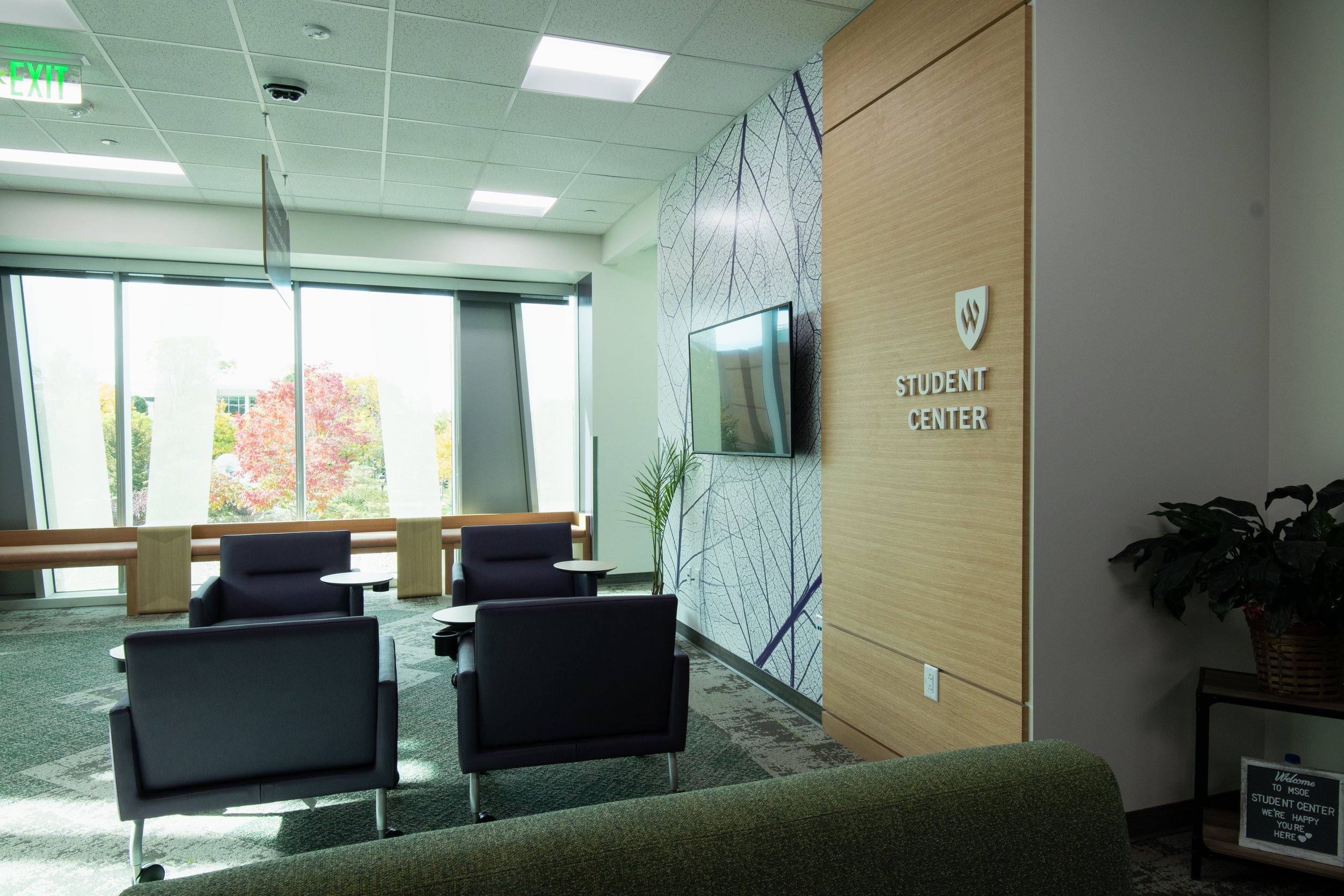
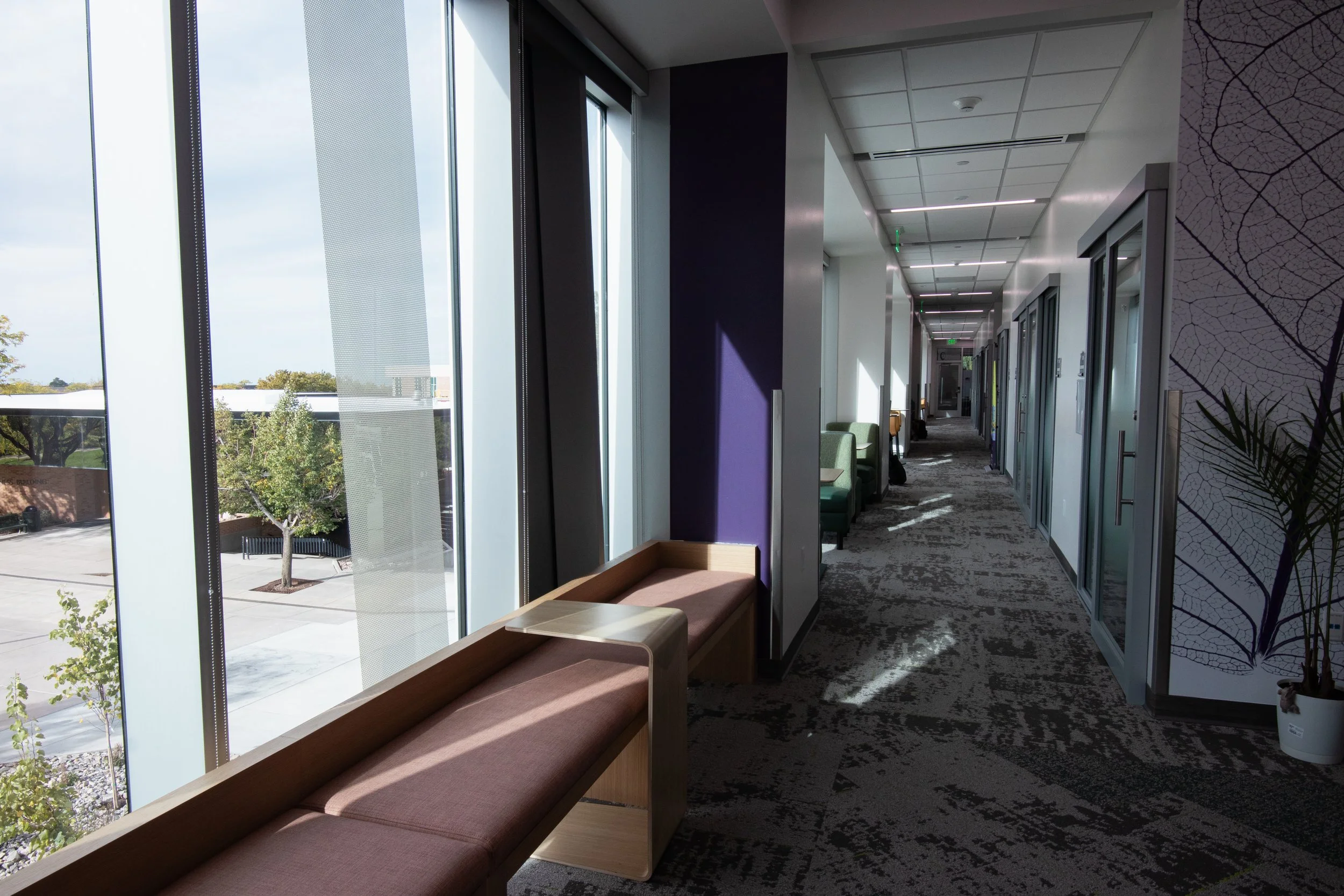
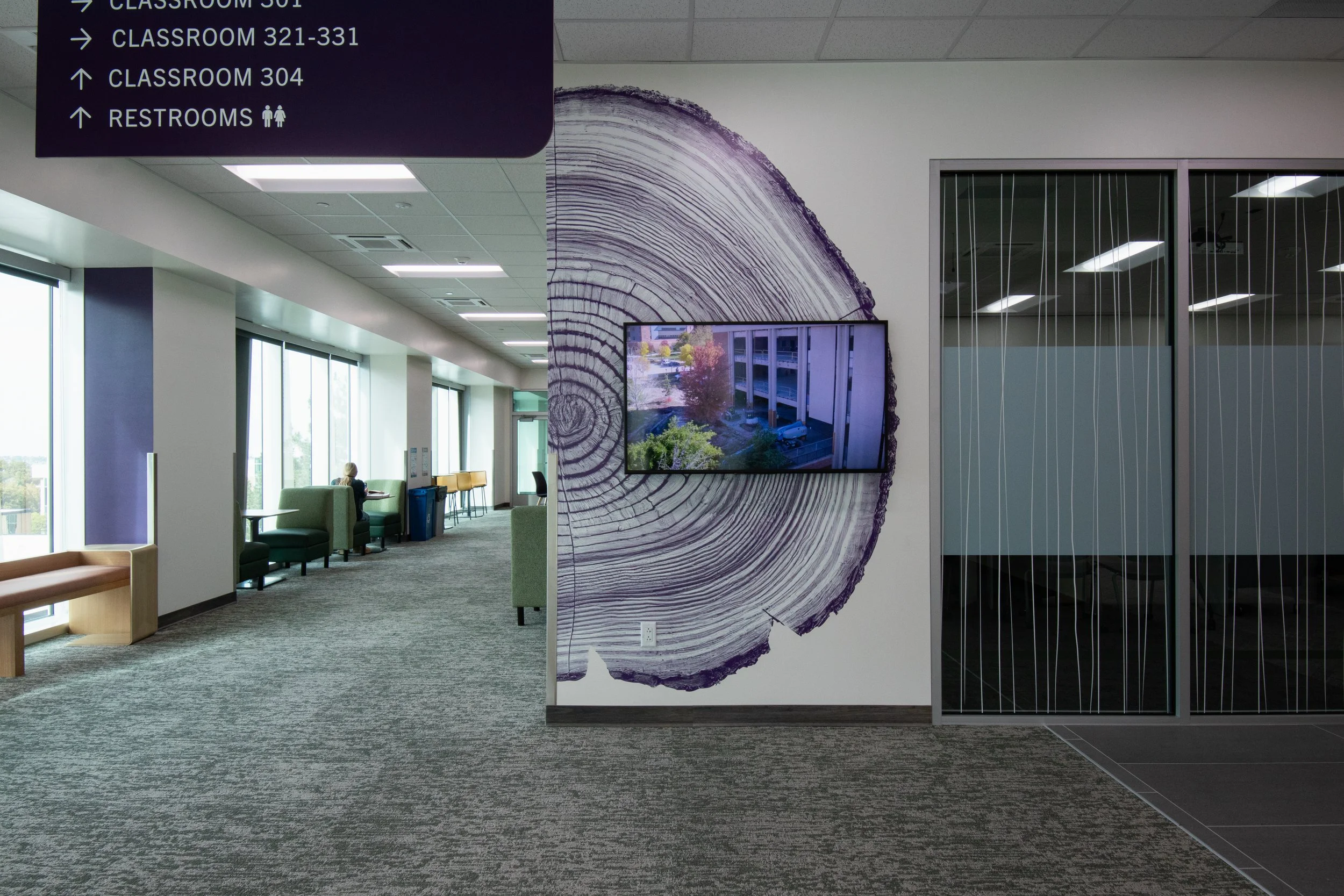
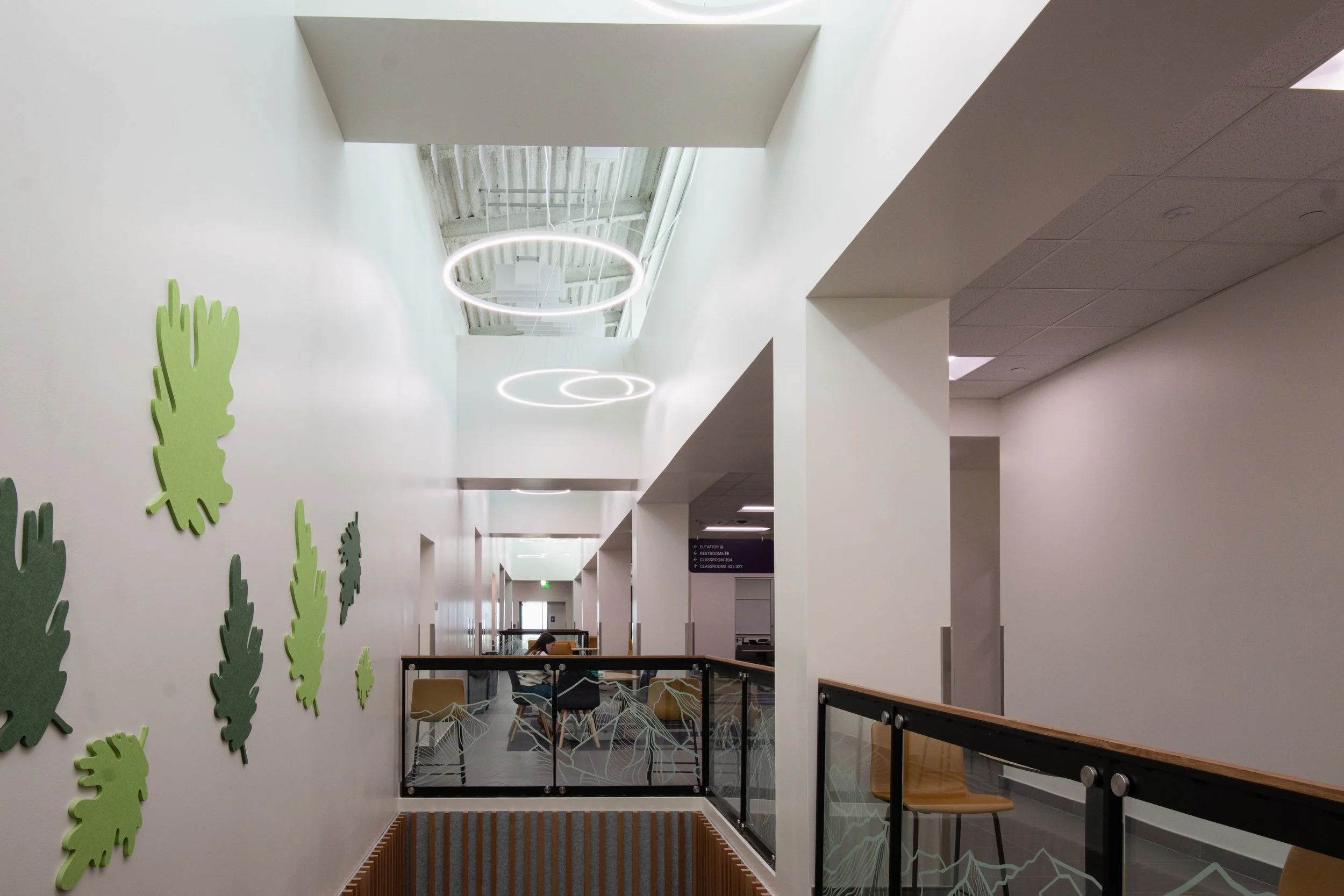
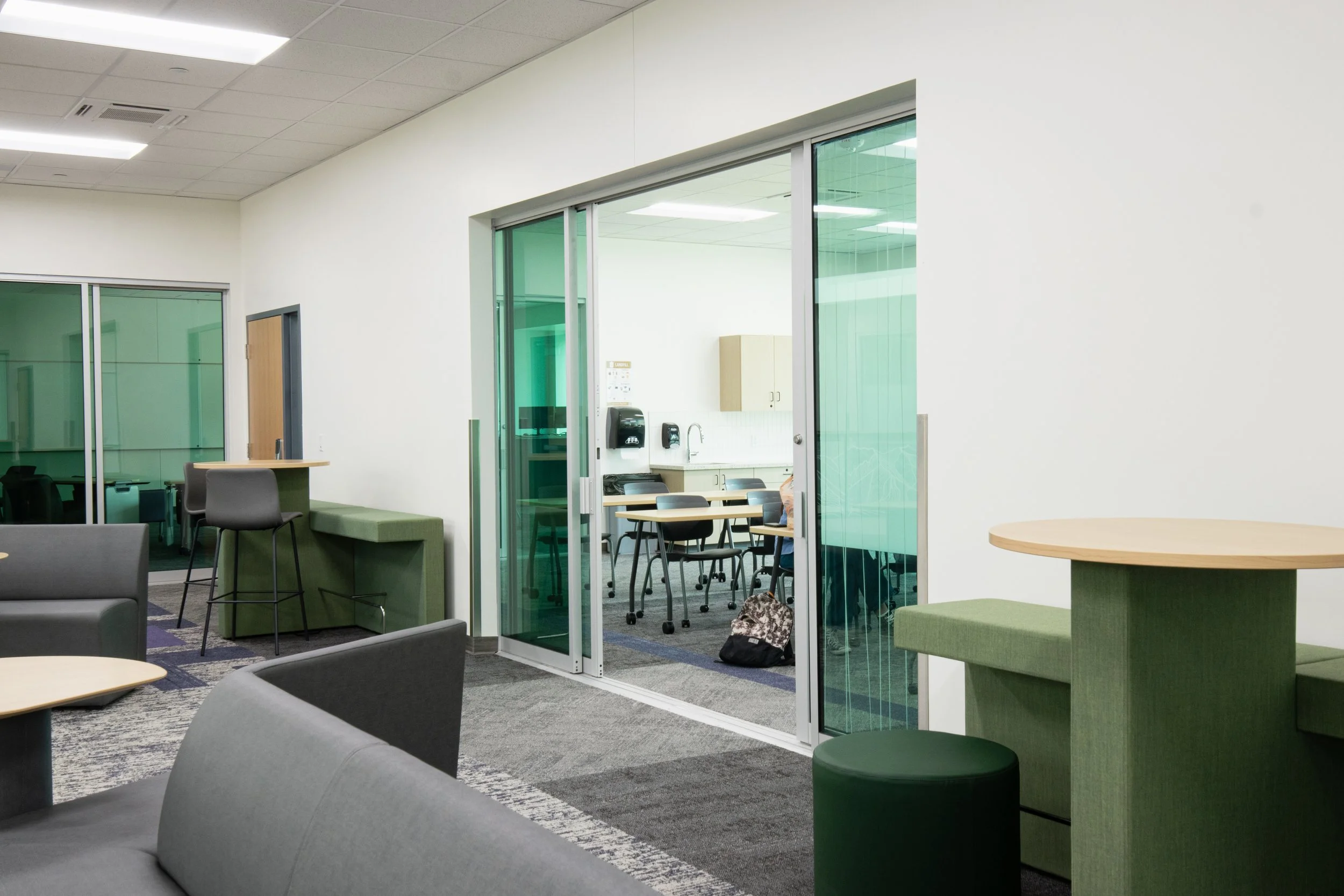
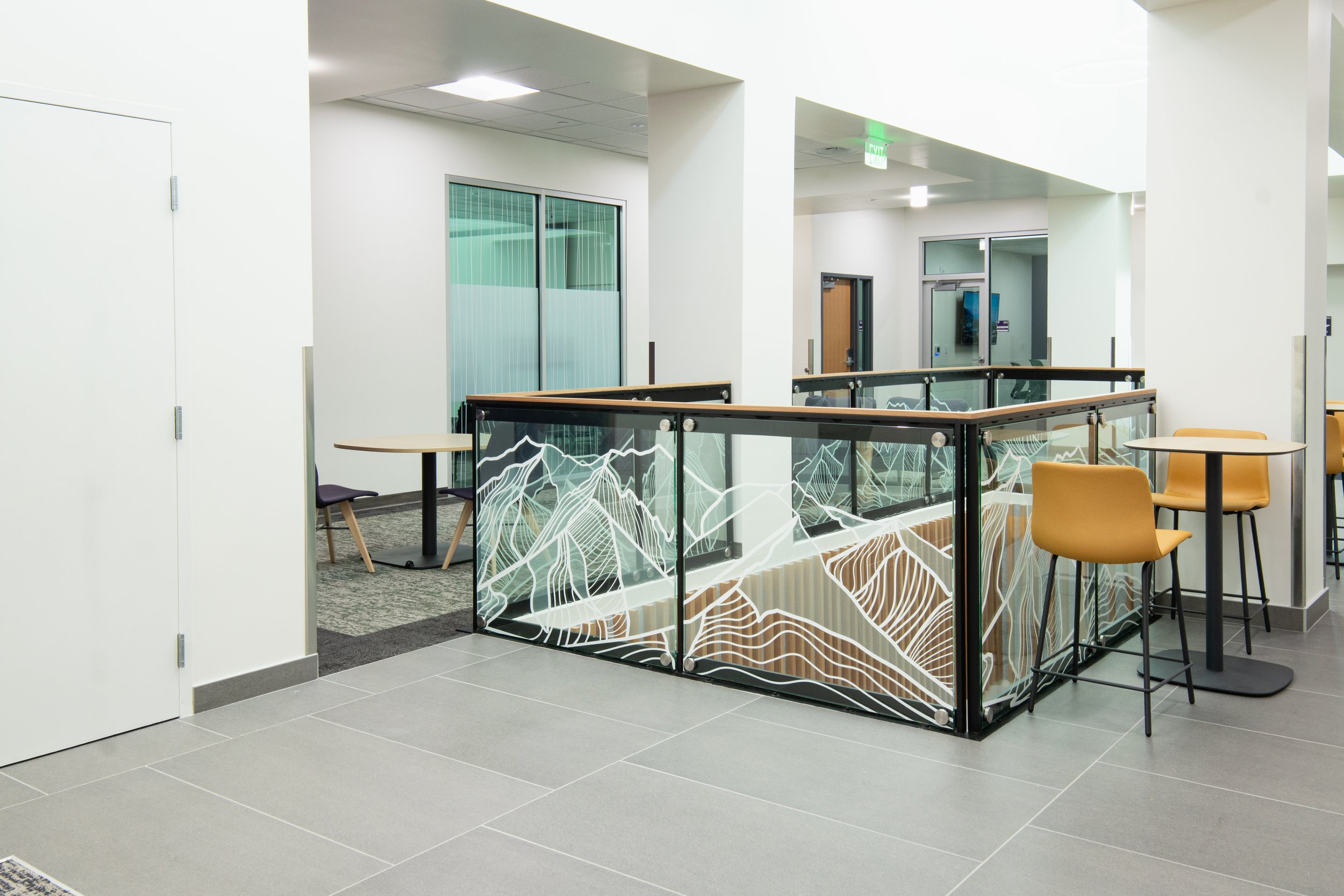
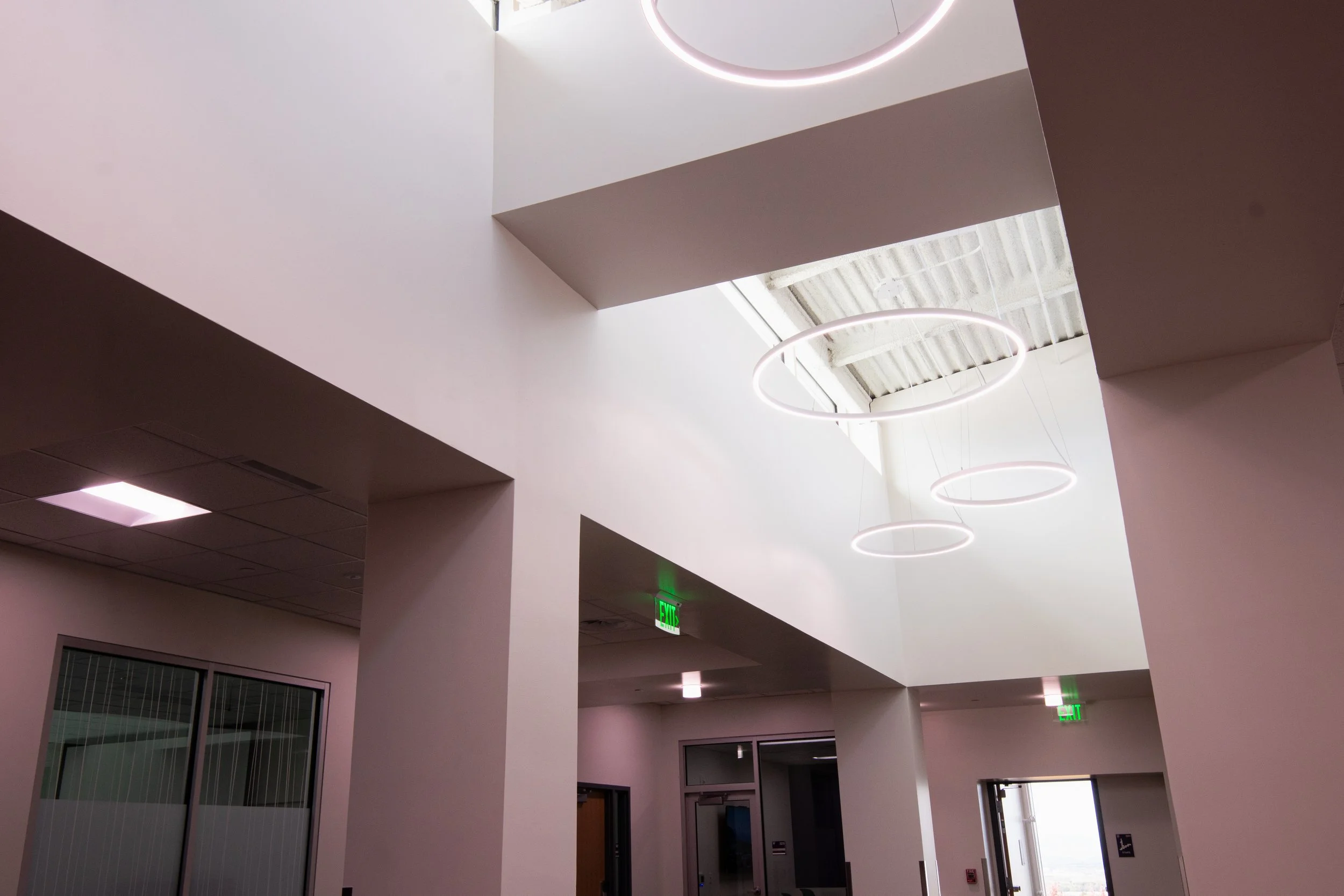
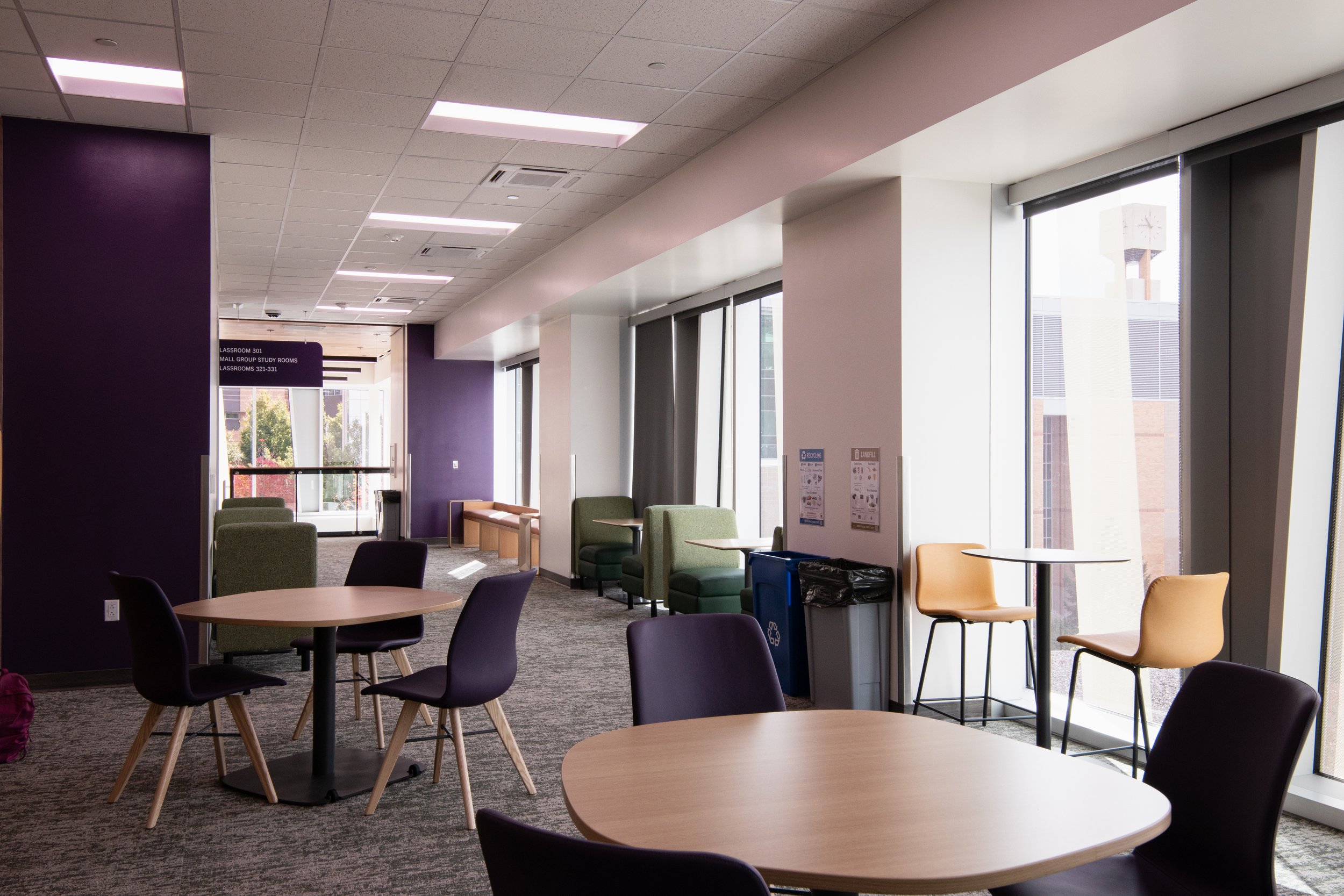
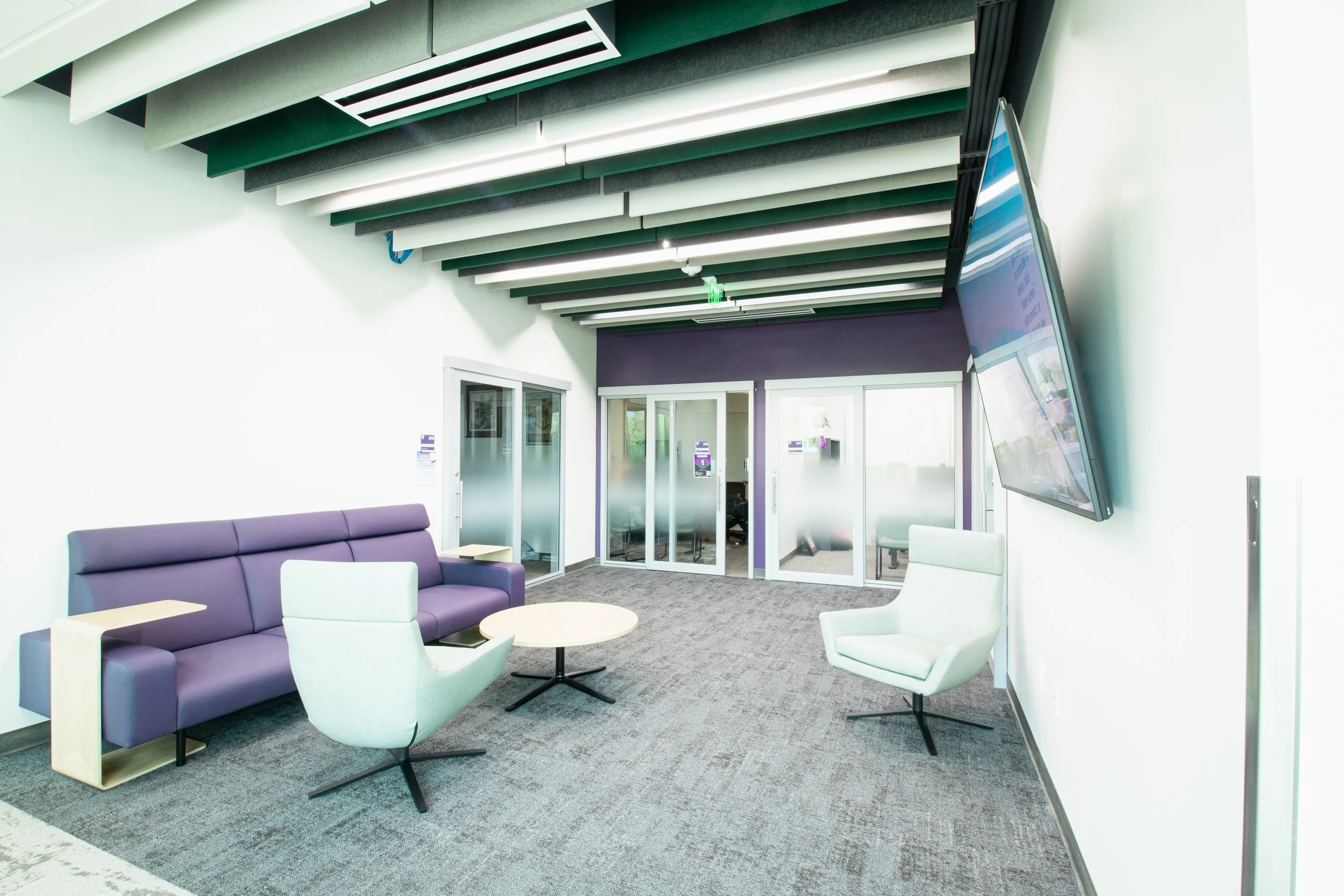
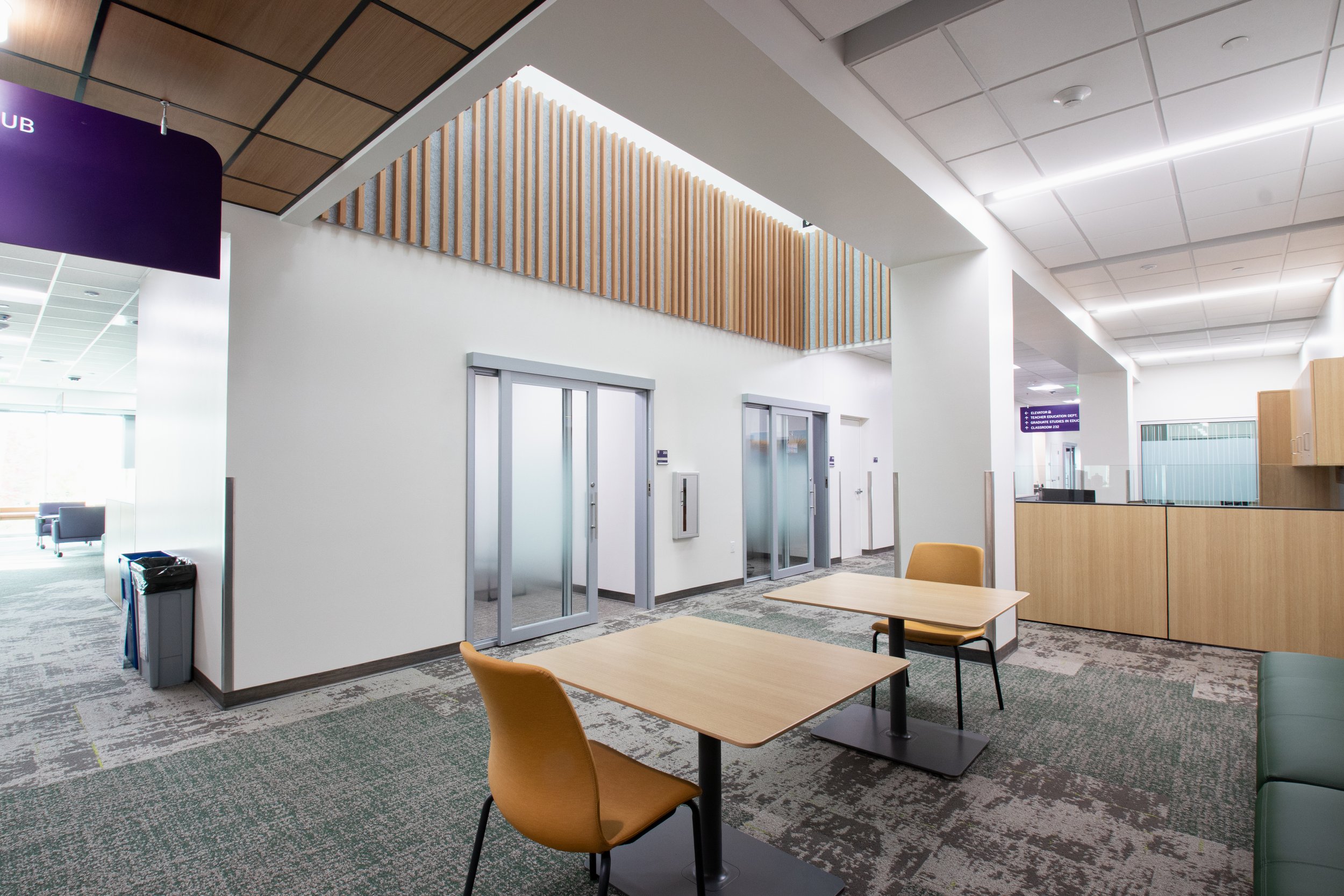
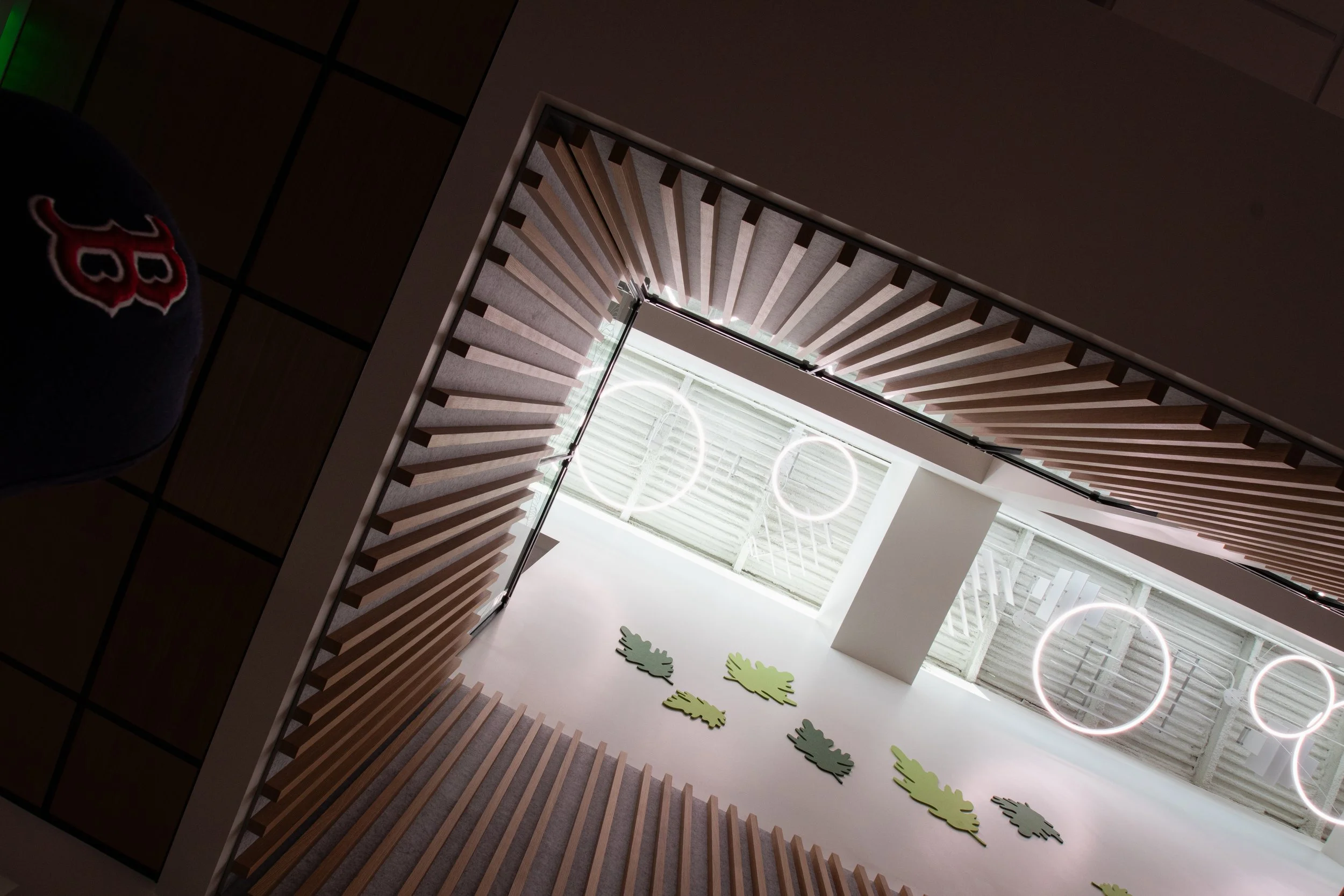
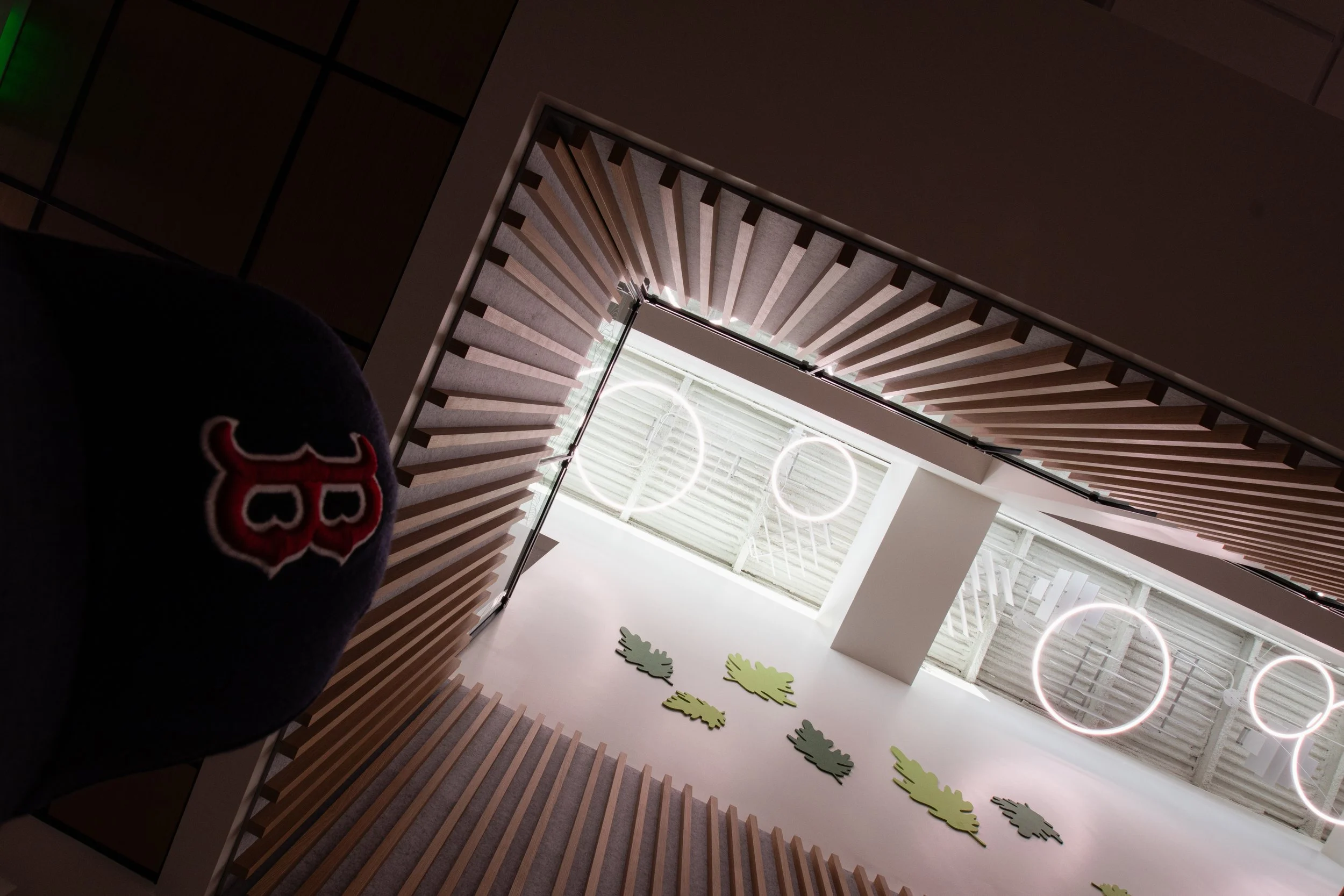
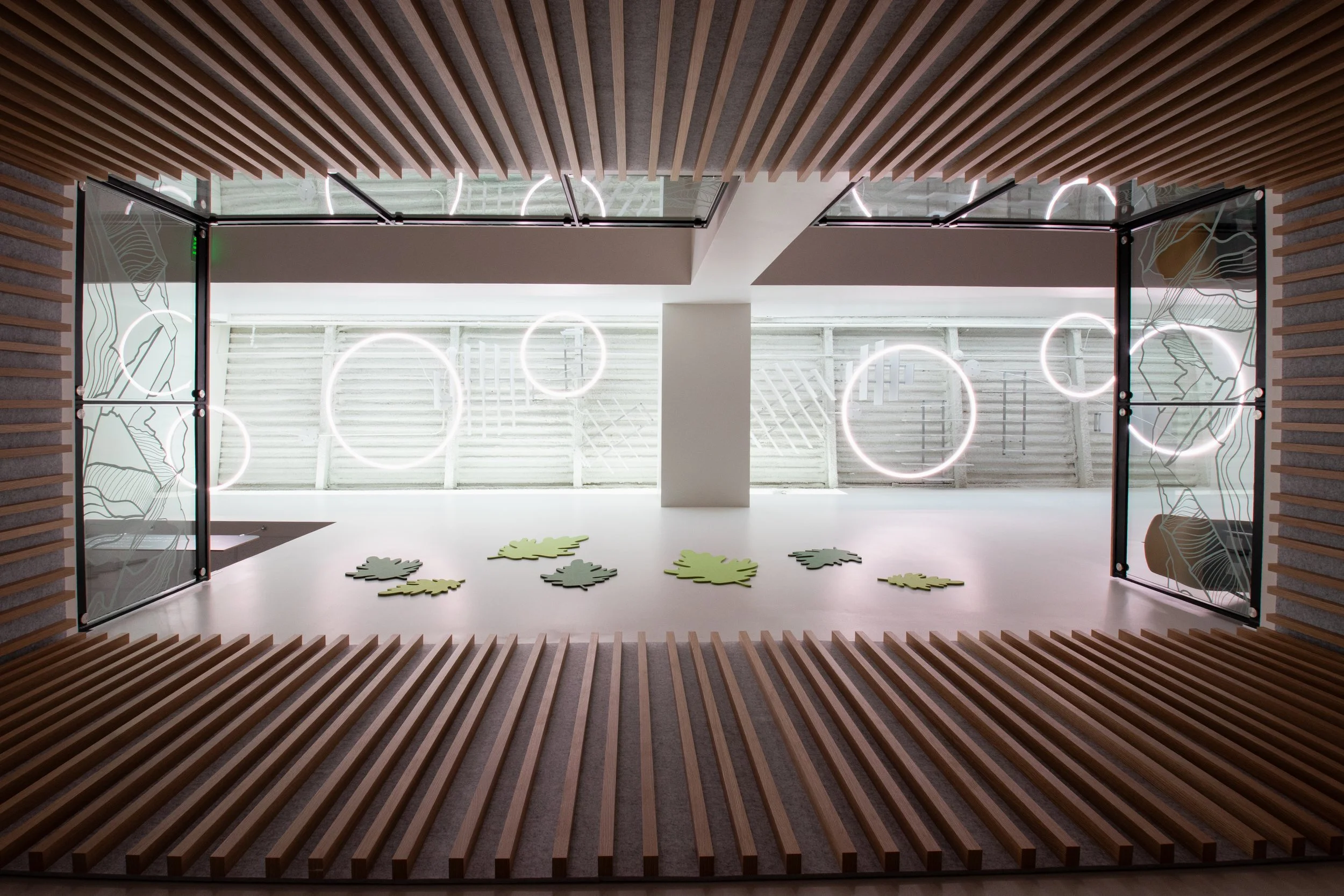
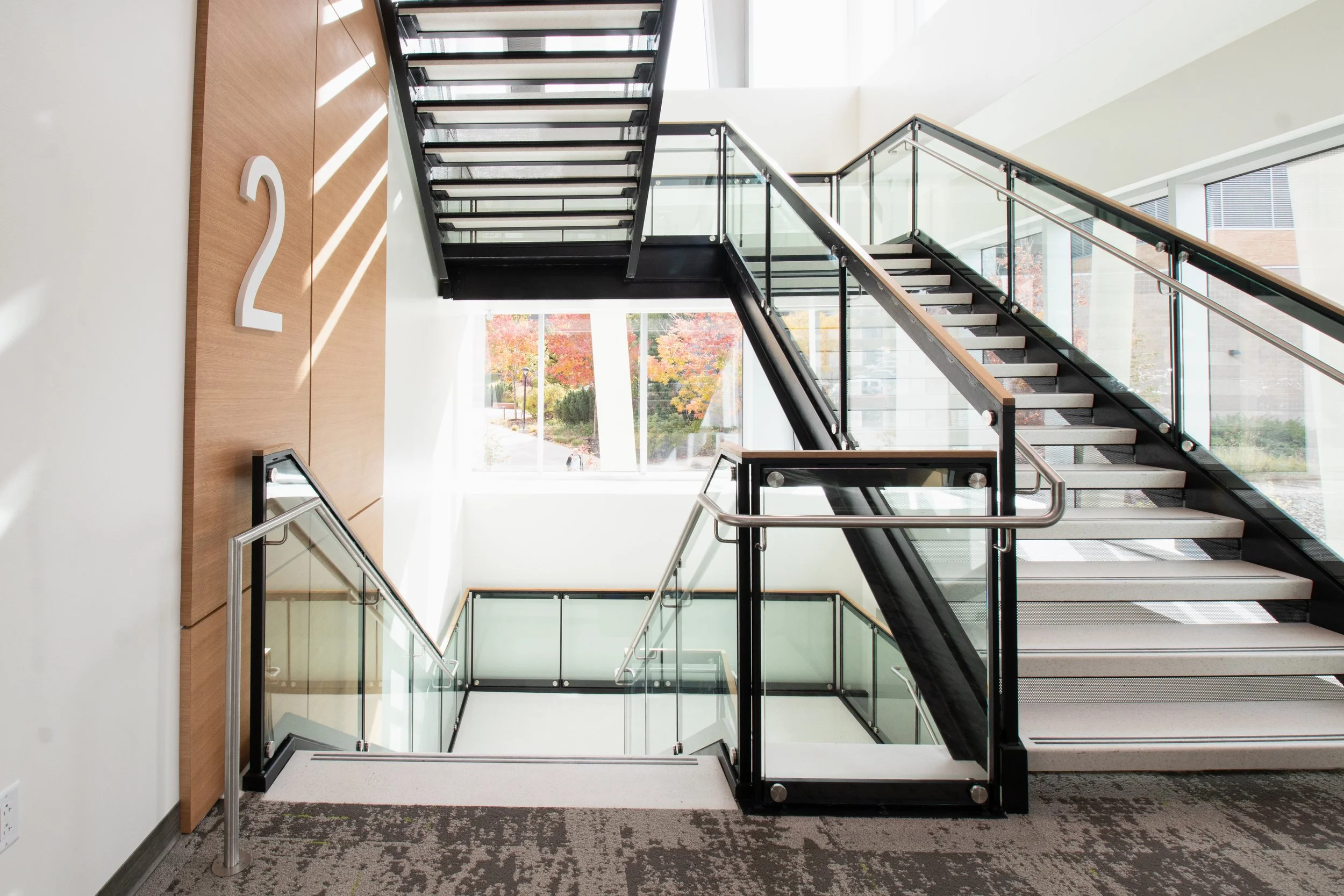
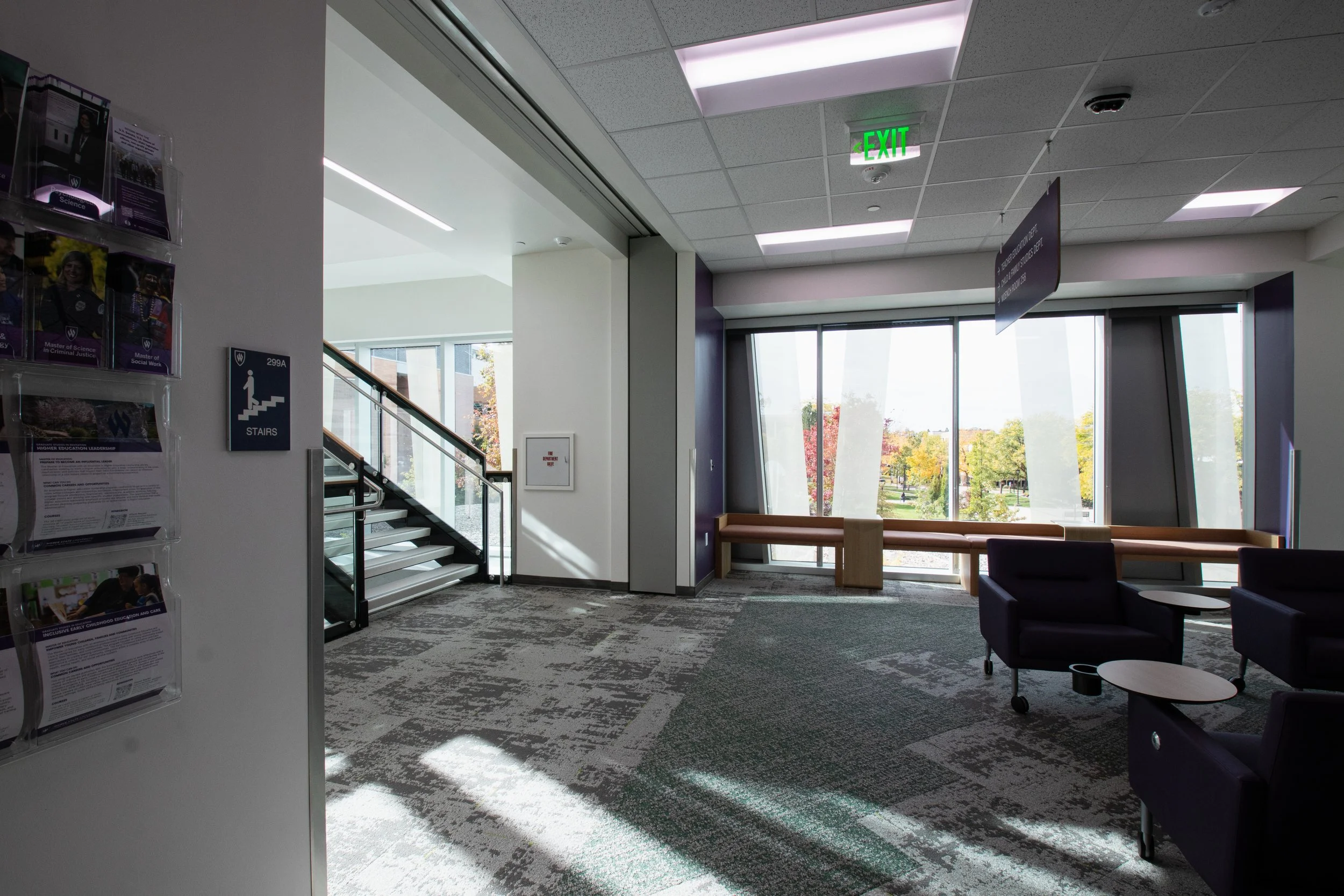
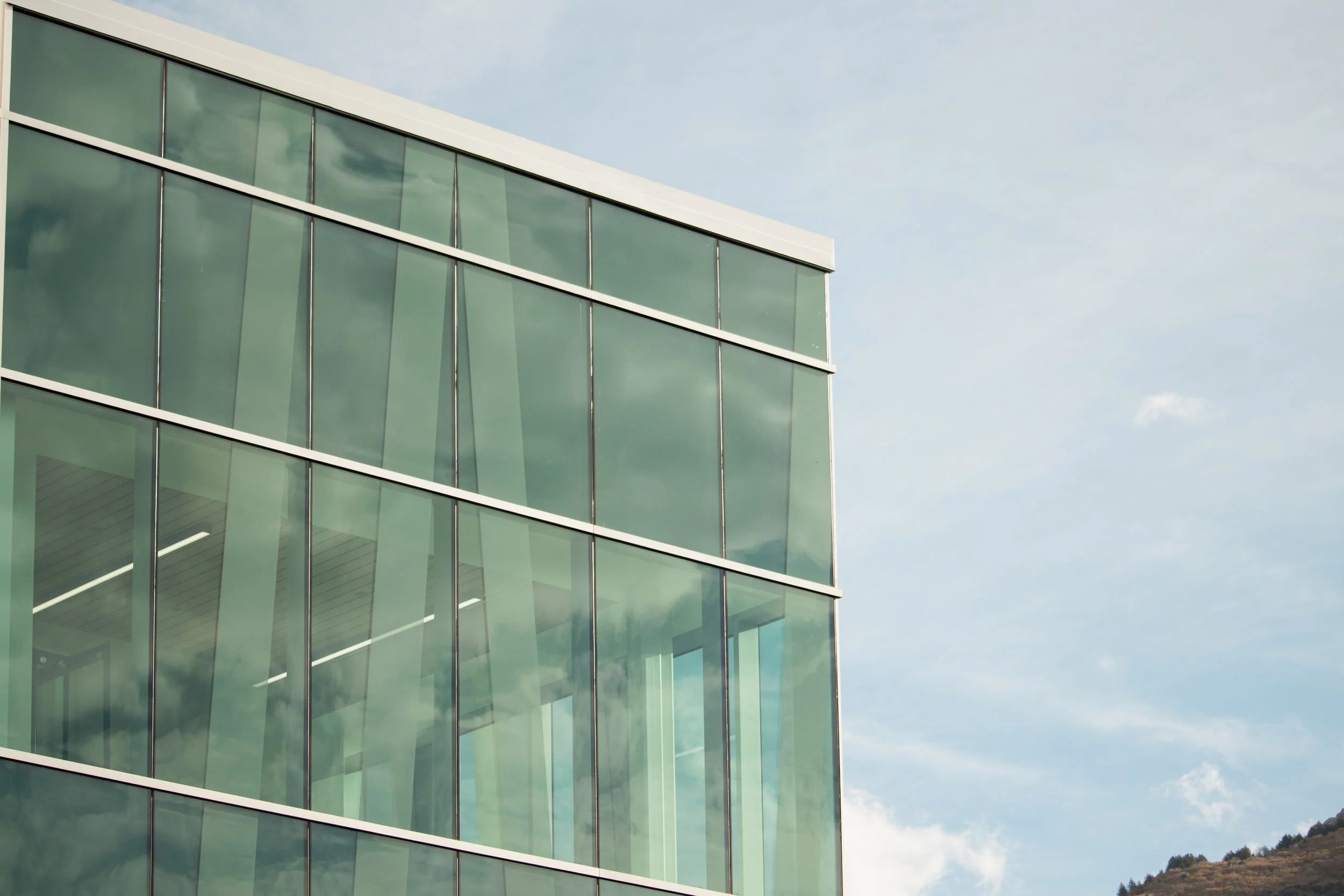
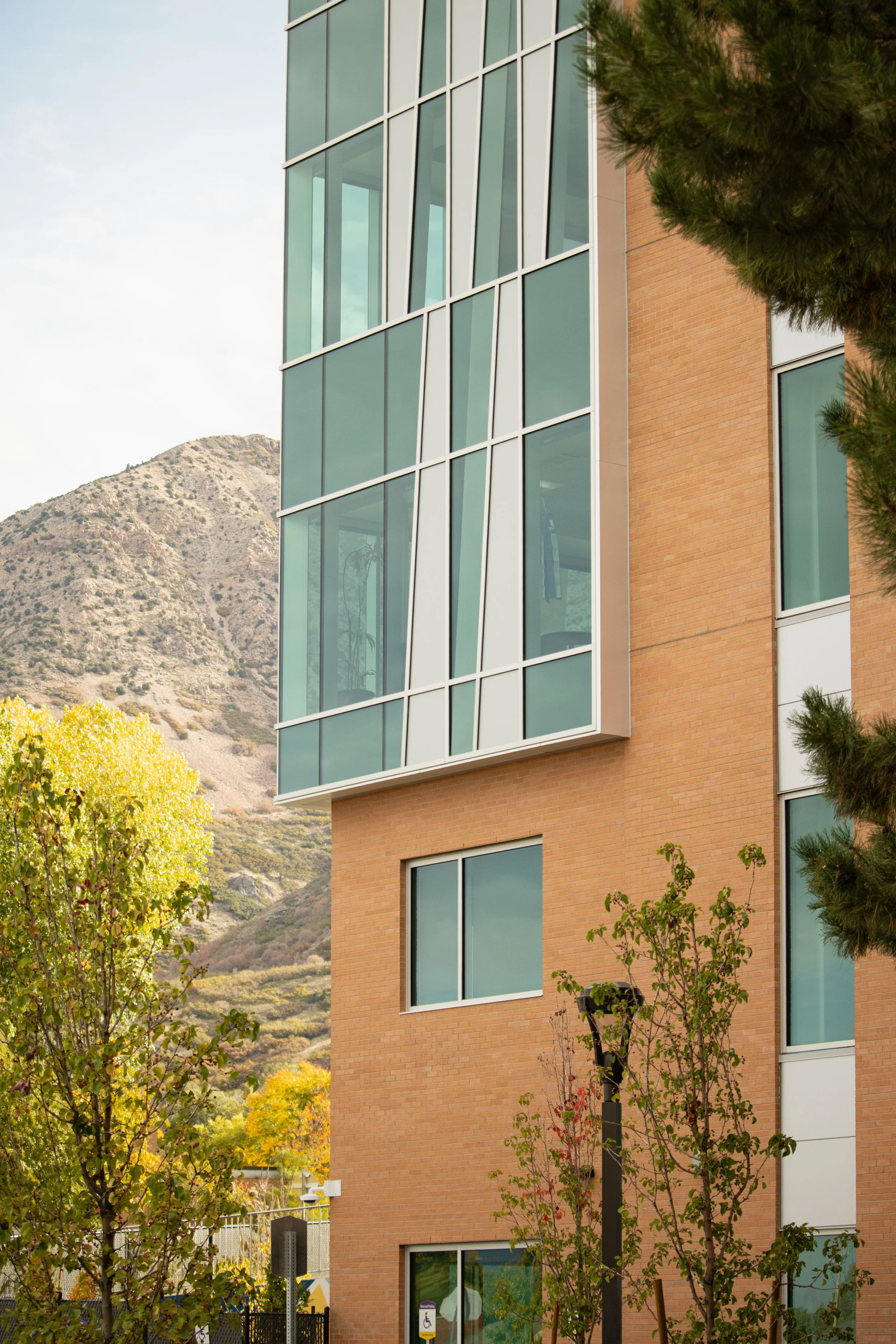
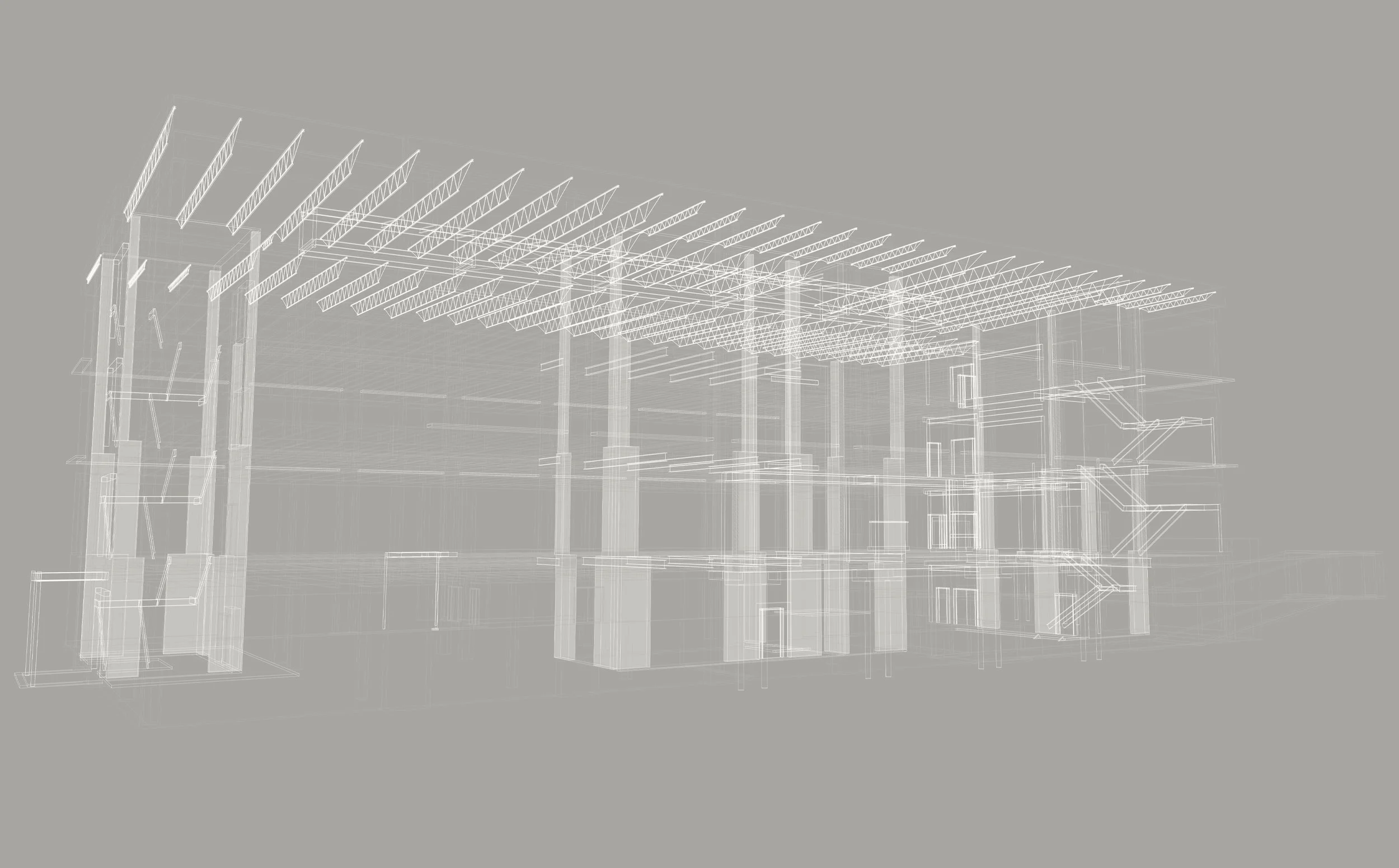
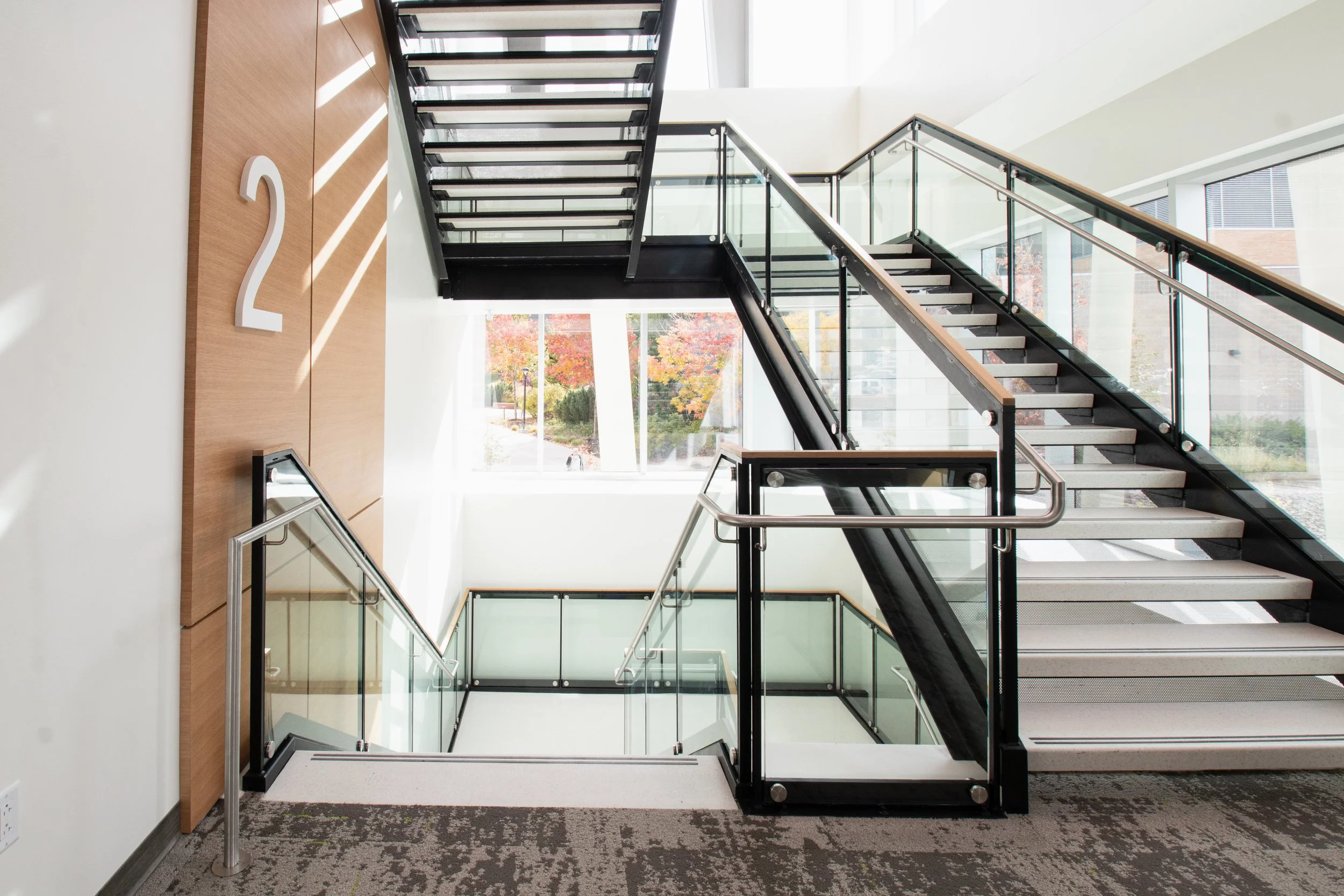
The renovation included advanced learning spaces, collaborative areas, and specialized facilities such as a children’s school and a digital maker lab. Architectural enhancements included a new clerestory and openings in the third-floor slab to allow natural light to penetrate further into the building. These changes required careful structural analysis to maintain load paths and structural integrity while accommodating new architectural features.
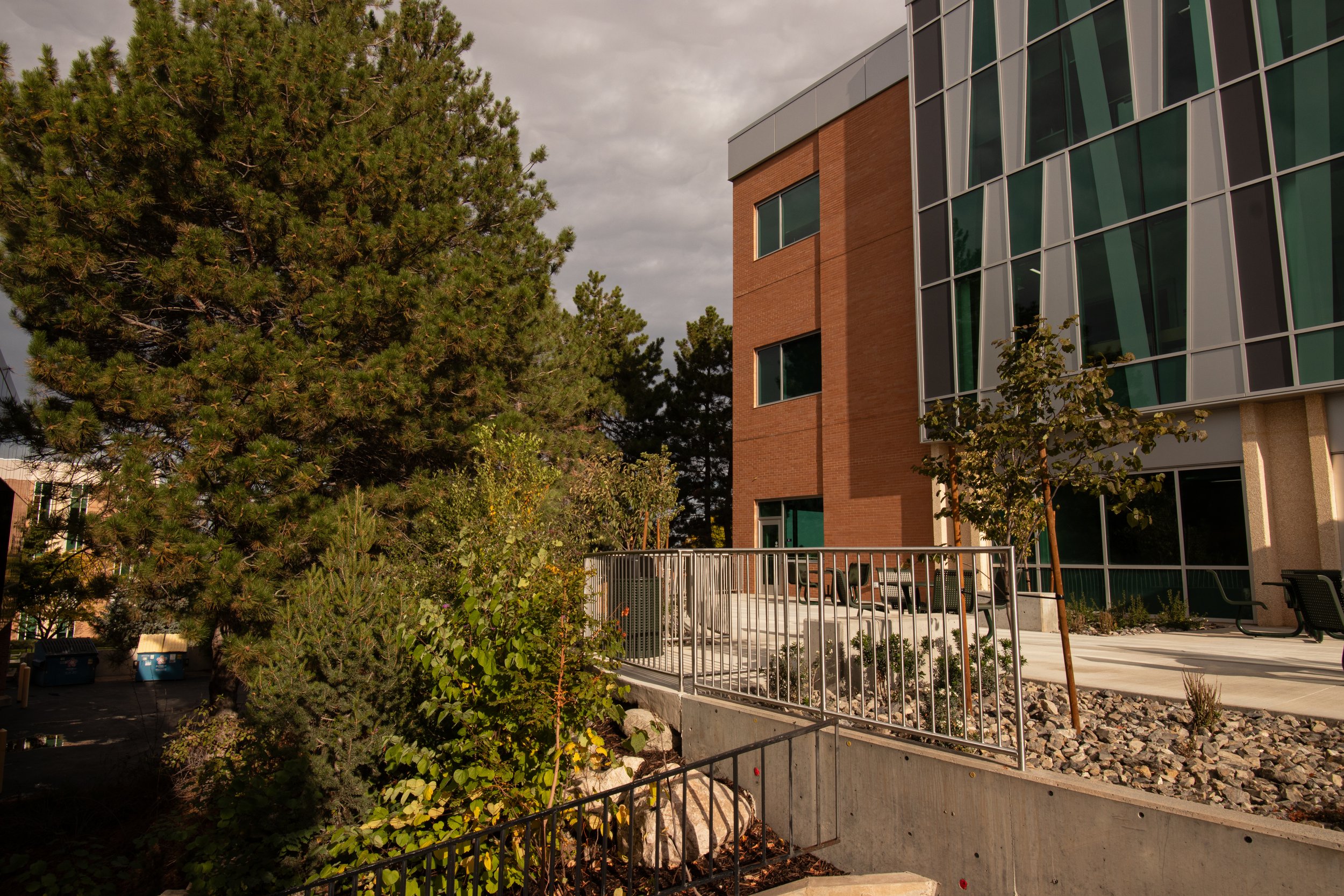
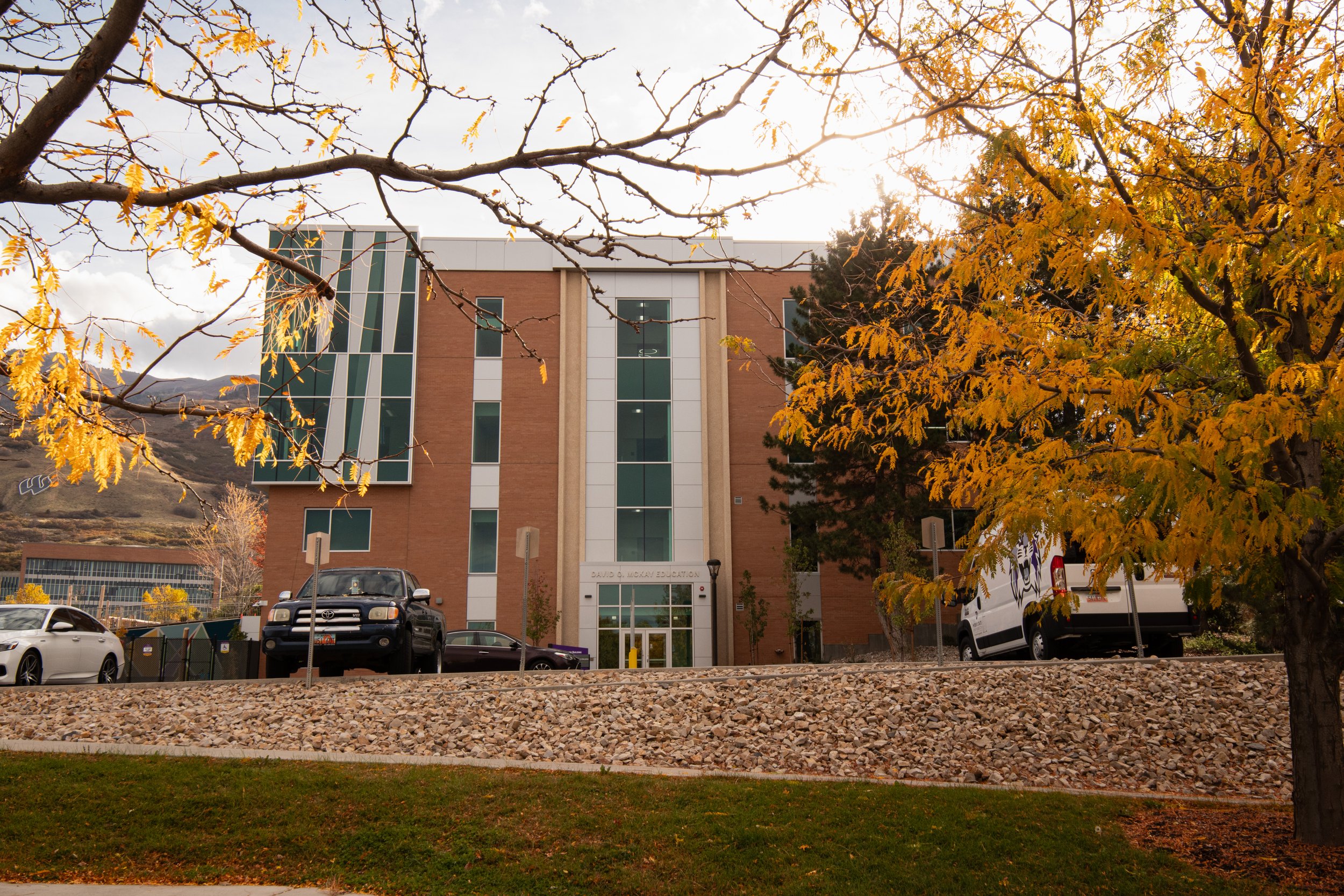
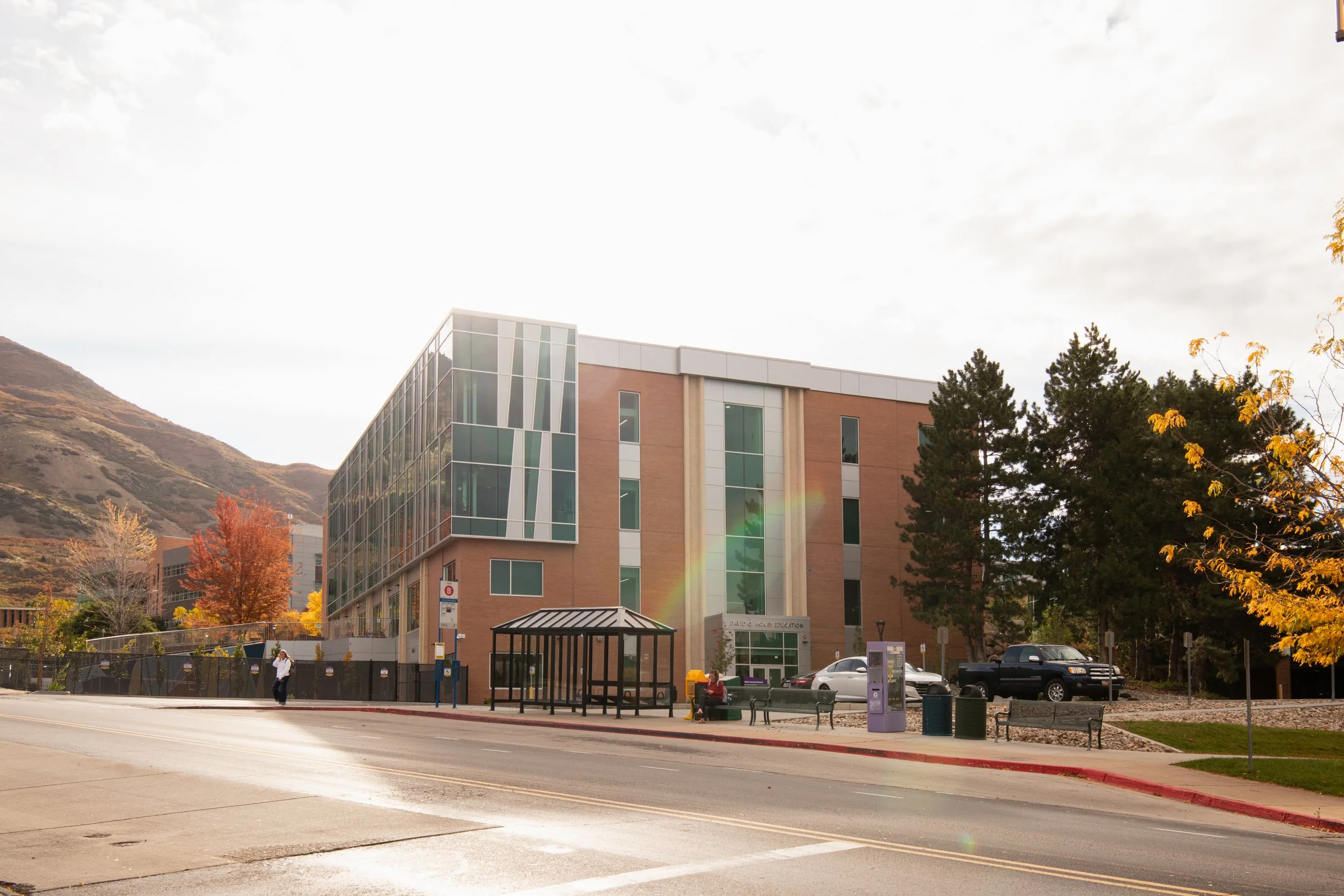
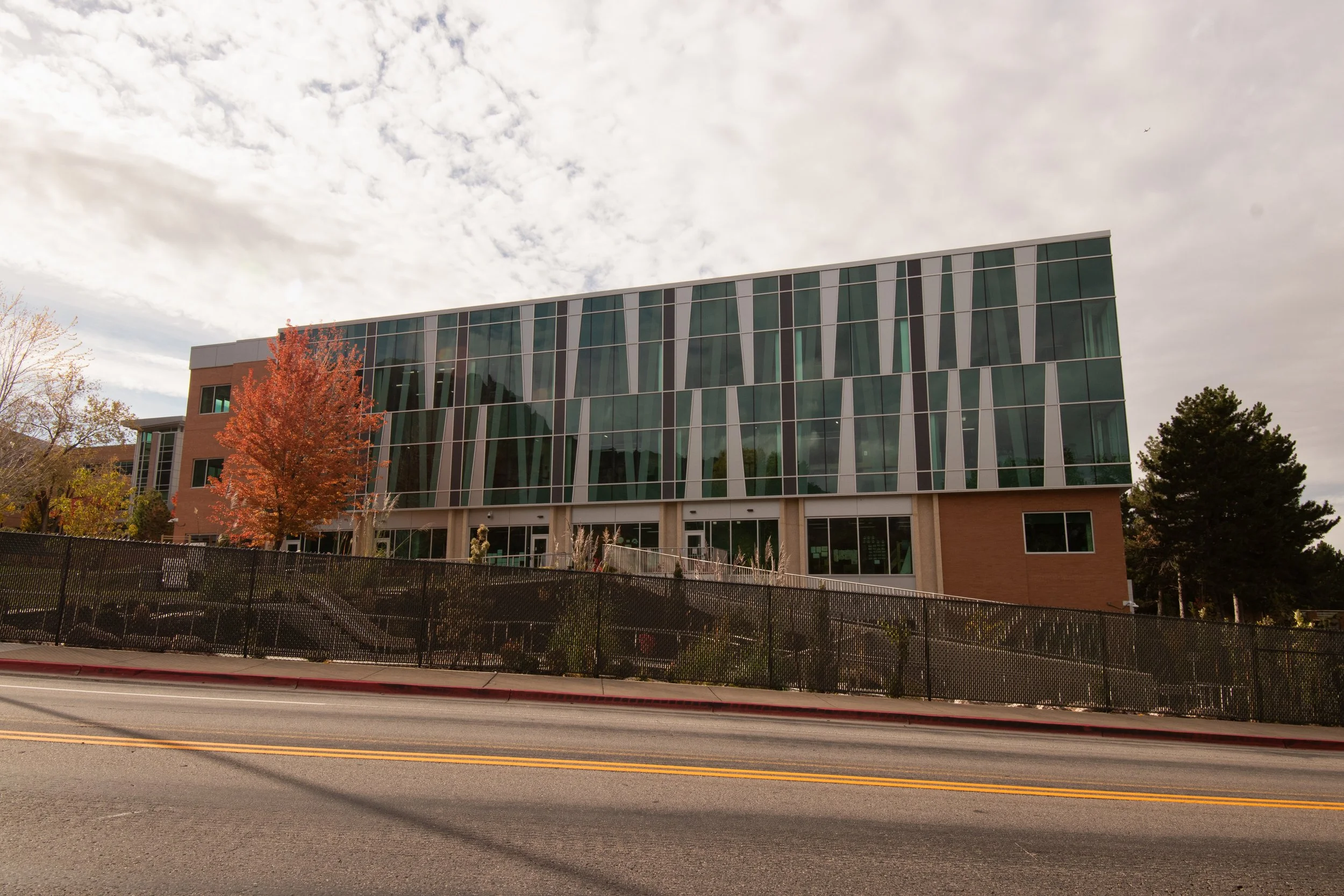
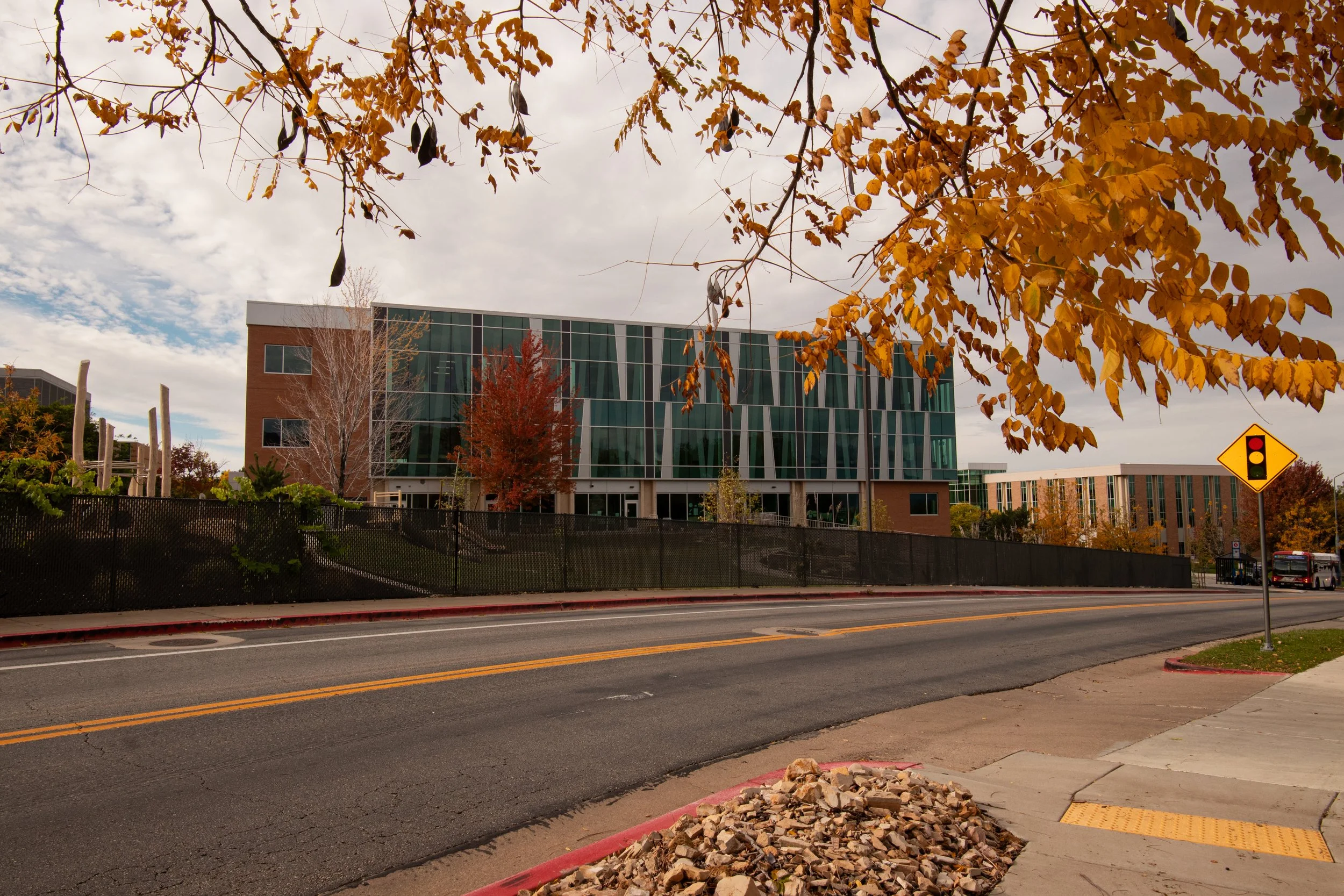
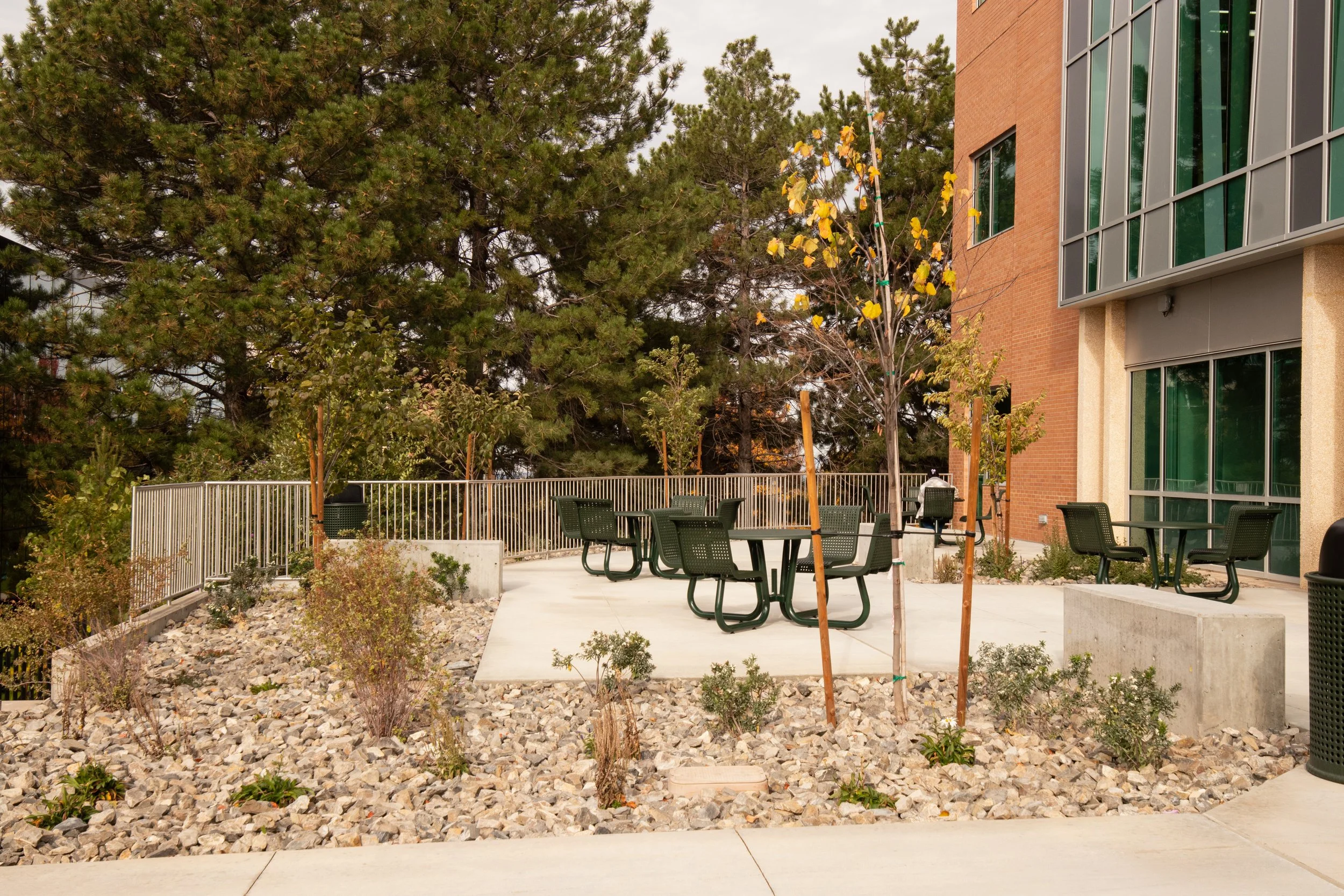
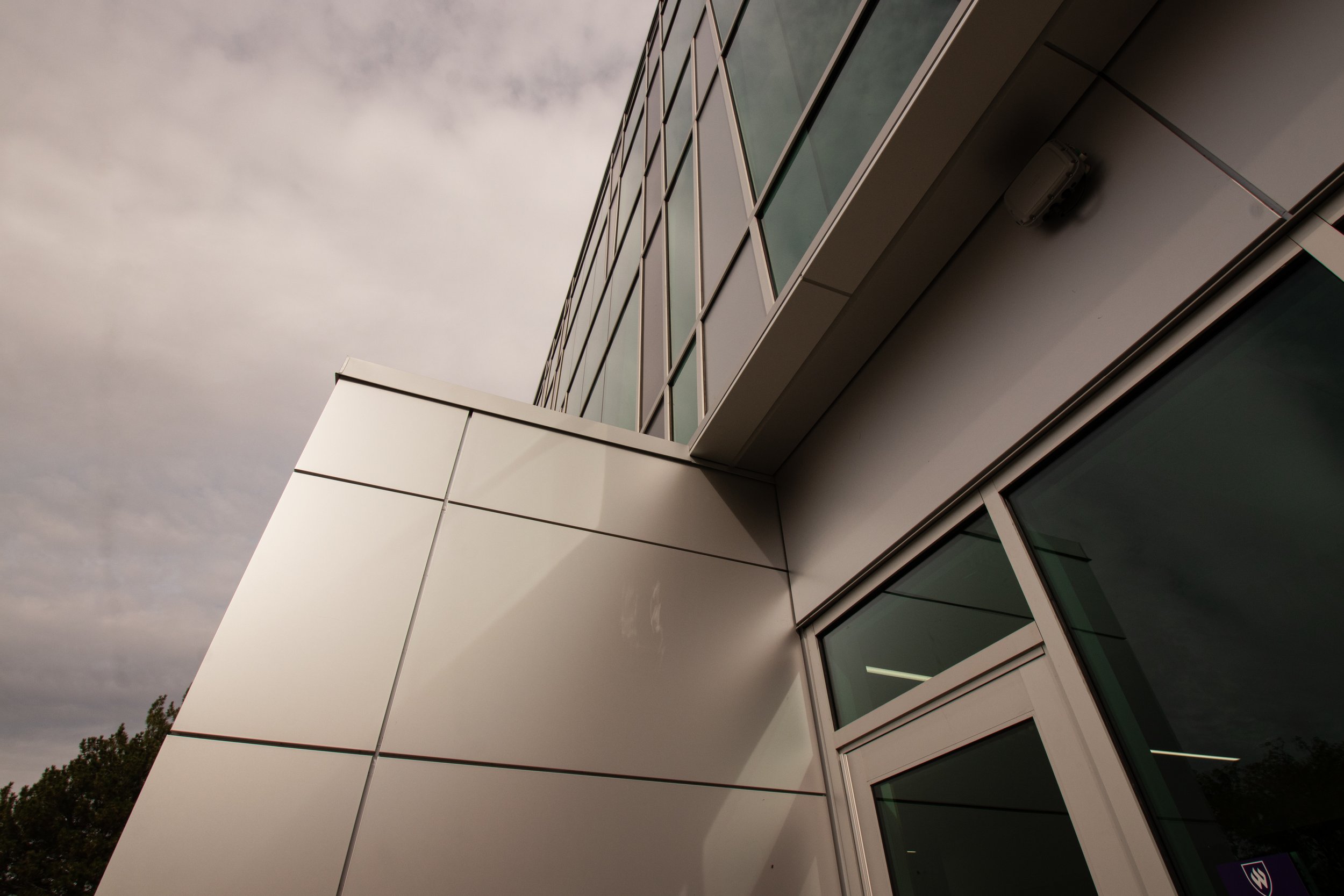
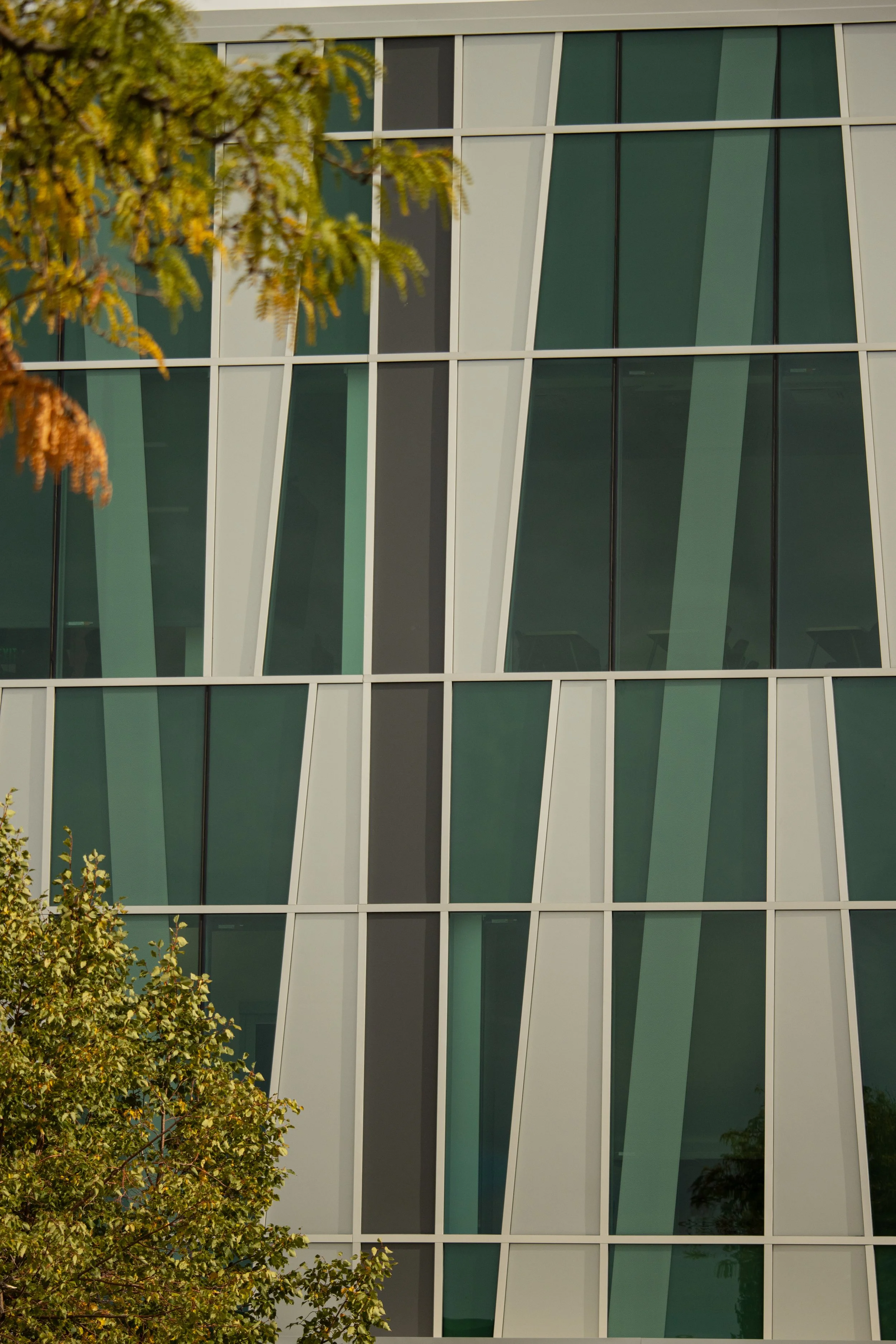
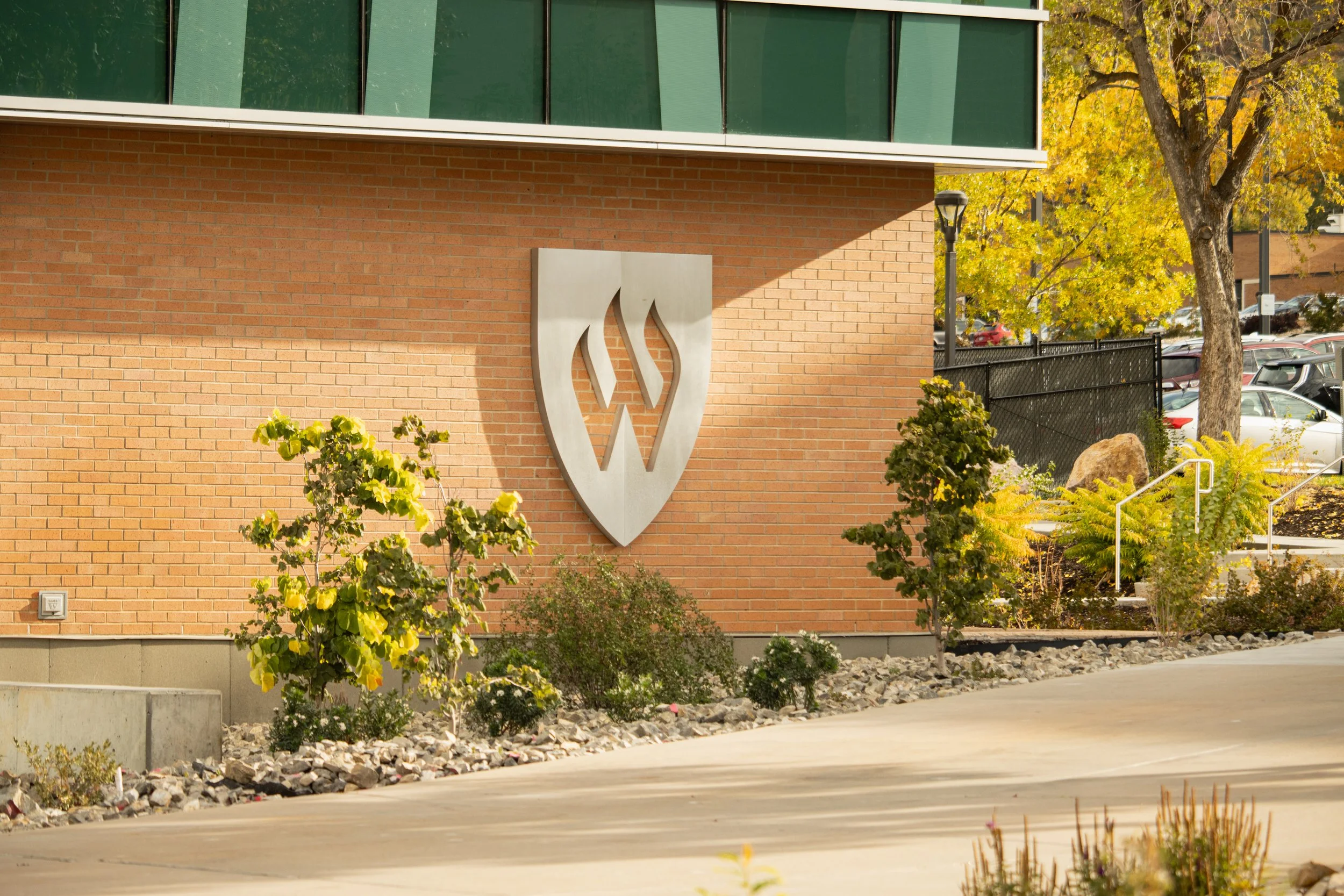
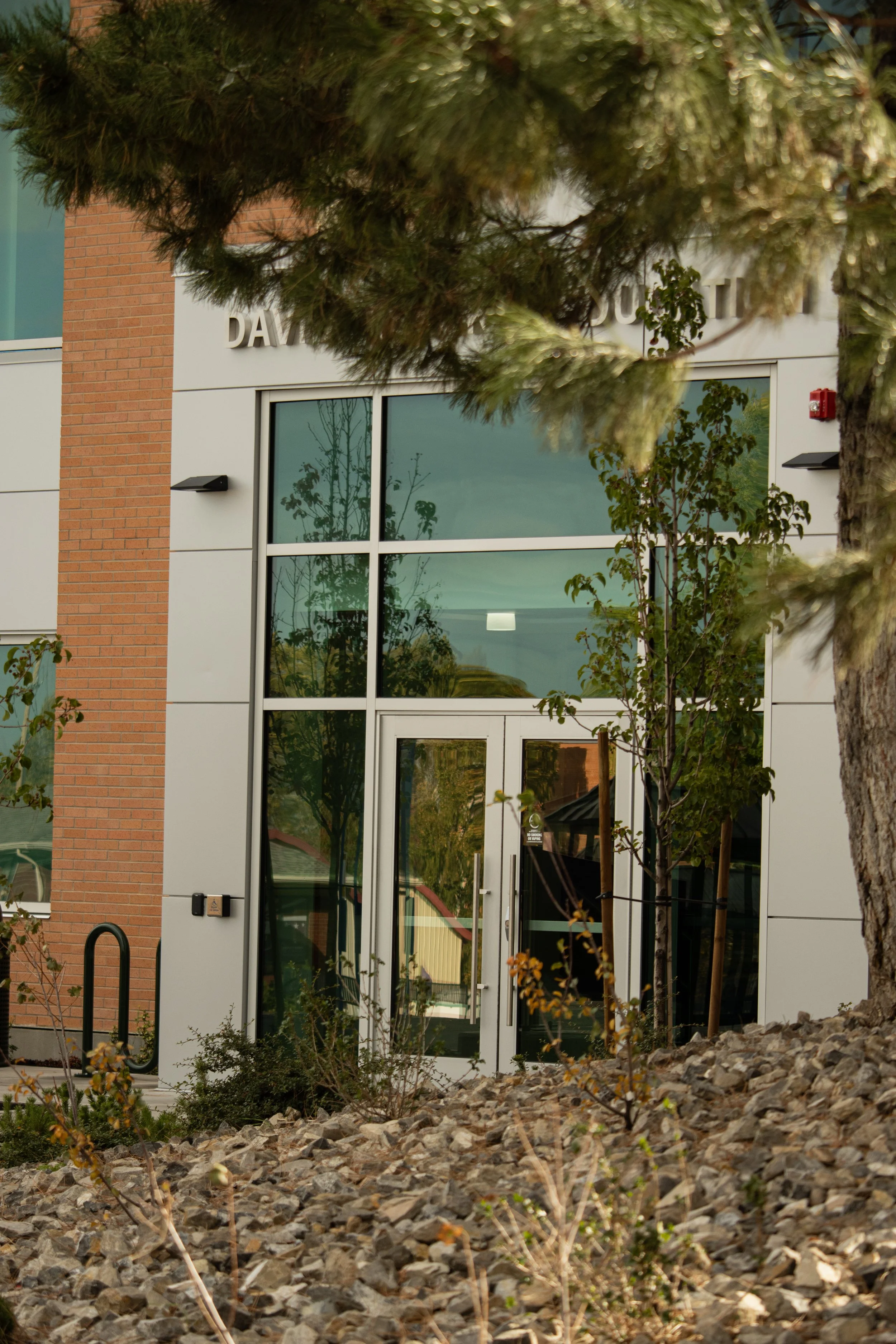
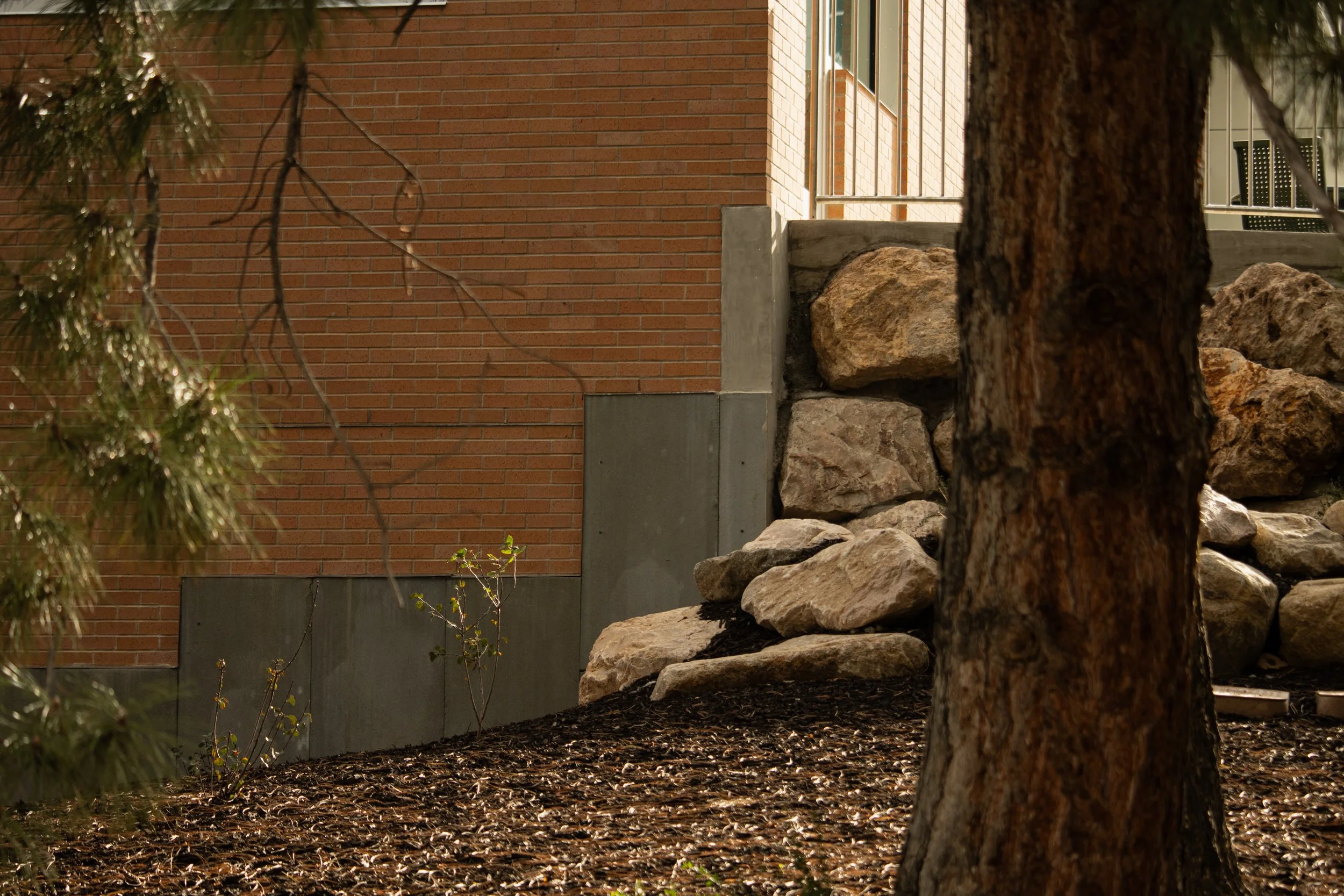
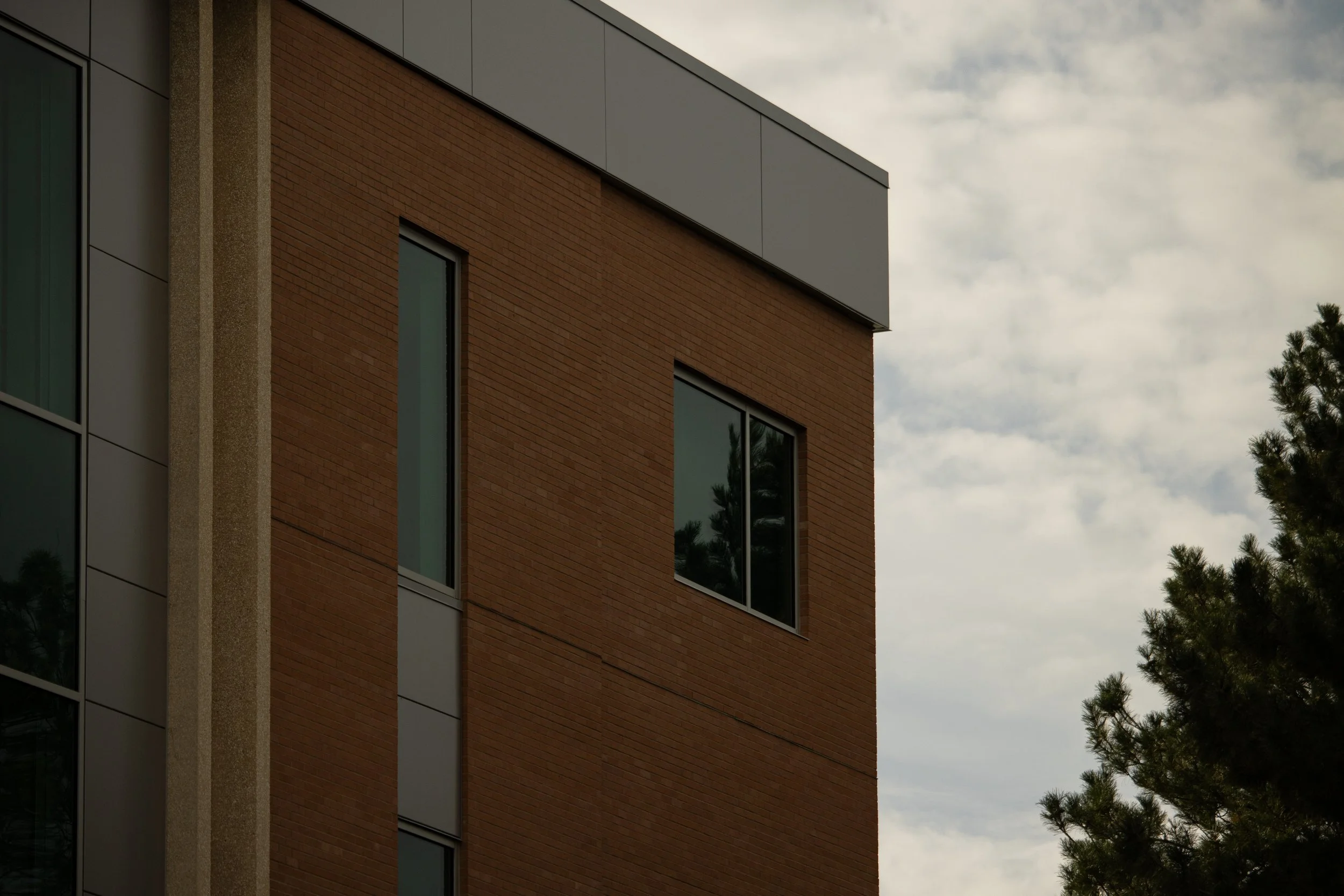
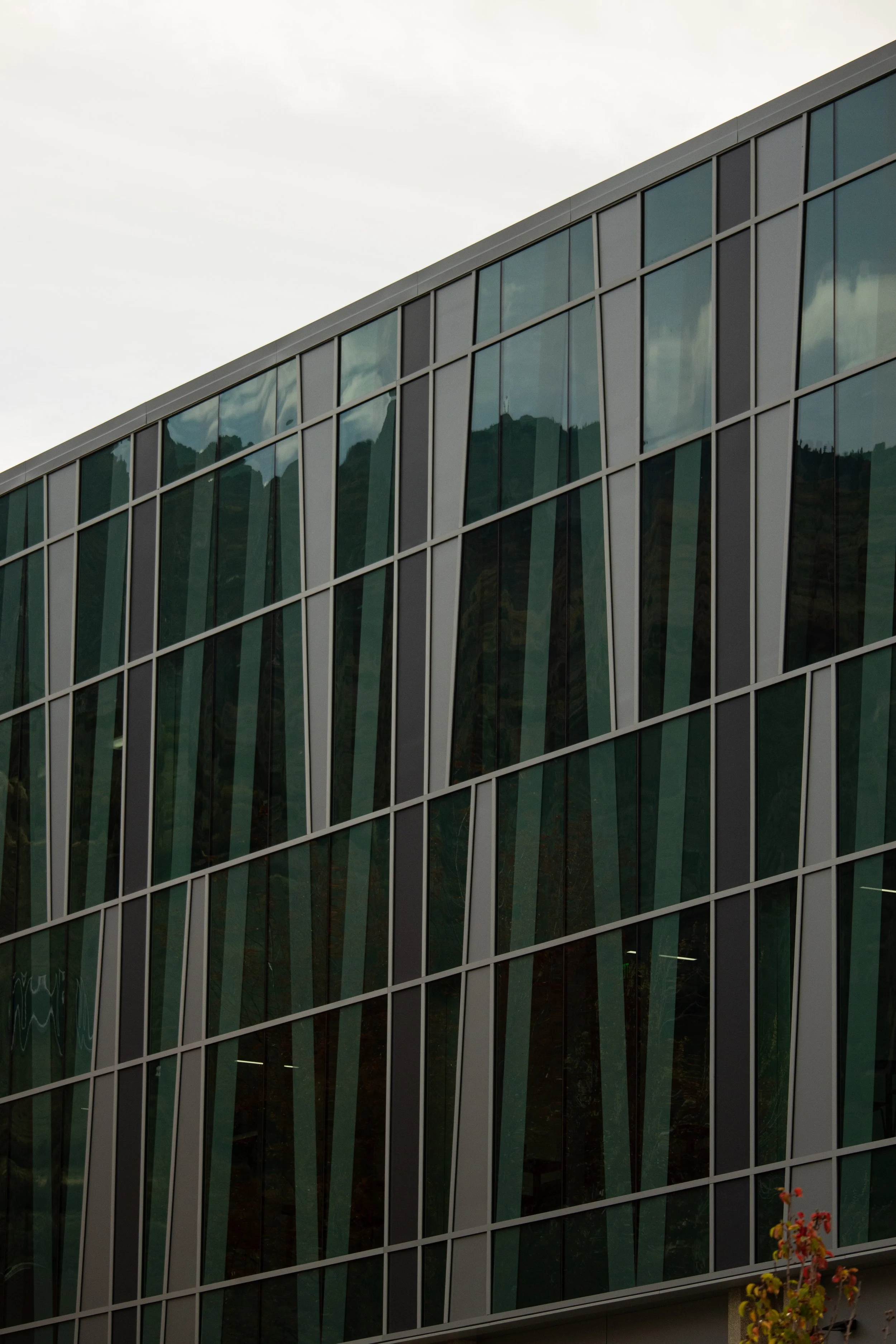
From an engineering perspective, the project addressed significant deficiencies under current seismic design criteria. The original lateral-force-resisting system was inadequate, the heavy concrete roof imposed excessive seismic mass, and floor diaphragms lacked continuity and collector elements. Many concrete beams also fell short of modern strength requirements. To resolve these issues, engineers expanded and strengthened the shear wall system, replaced the concrete roof with a lightweight steel framing system to reduce seismic demand, and applied carbon-fiber-reinforced polymer overlays across three floor levels to create effective chords, collectors, and diaphragm continuity. Select beams were retrofitted to meet strength requirements, and the outdated cladding was replaced with a modern brick veneer and curtain wall system, improving both thermal performance and aesthetics.
By preserving the structural frame, the project significantly reduced demolition waste and embodied carbon compared to demolishing the structure for a new construction, which improved the sustainability of the structure without compromising safety or functionality. The result is a code-compliant facility that integrates architectural beauty with structural integrity, providing Weber State University with a resource designed to support innovation, collaboration, and learning. The McKay Education Building now stands as an example of adaptive reuse and seismic retrofit, demonstrating how renovation can extend the life of existing infrastructure while meeting modern demands.